
Pet memorial rocks: a complete guide to honoring your pet
You stood in the backyard and didn't know what to do with your hands. The leash still hung by the door. The food bowl sat in its usual spot on the kitchen floor. And you kept walking back out to that corner of the yard, the one where she used to lie in the afternoon sun, searching for something to put there. Something solid. Something permanent. Something that said: she was here, she mattered, she was loved.
That is what a pet memorial rock does. It gives grief a place to land. It marks the life of an animal who gave you years of loyalty and asks nothing more from you than a patch of ground.
But this guide is about more than rocks. It's about doing justice to an animal you loved, which means covering every option: the types of memorial stones, what materials actually hold up outdoors, what to engrave, how to make one yourself, where to buy, and how a garden stone fits into a broader tribute that rises to meet what your pet actually meant to you.
We start with the most important piece first.
Before the stone: the tribute that lives indoors
A pet memorial rock does one specific thing well. It gives you a dedicated outdoor place to visit, a physical location where you can stand and feel the weight of absence and memory. That matters. Having a specific place to go is one of the most meaningful parts of mourning, for pets just as for people.
But stone weathers. And your pet's face, the particular tilt of his head, the way her eyes caught light in the morning, that belongs on your wall.
This is why the first tribute worth considering isn't a rock at all. It's a custom pet portrait from Fable. Not a printed photograph. Not a canvas poster. A genuine hand-crafted portrait rendered in a classical or renaissance style, the kind of art that hangs on a wall for decades and becomes part of what a home is.
Fable transforms your favorite photo of your pet into something that rises far above a standard memorial. A golden retriever rendered in oil-painting style, dressed in velvet period attire, dignified and calm against a warm candlelit background. A cat portrayed with every whisker and the particular depth of her gaze preserved in the tradition of old masters. These aren't novelty gifts. They are real art, the kind that visitors stop to look at and ask about. The kind that makes your pet a permanent presence in the rooms where you live.
The reason to consider this before the stone is simple. A memorial rock is an outdoor tribute. Rain falls on it. Seasons change around it. Even the finest engraved granite requires you to go outside and stand in the garden to experience it. A Fable memorial pet portrait hangs on the wall where daily life happens. You see it in the morning over coffee. Guests see it and ask who the subject is. You tell them, and the story continues, and that story keeps your pet alive in a way a stone in the garden simply cannot.
Fable's pet portraits come in several distinctive styles. Renaissance pet portraits place your animal in the tradition of European classical painting, with rich period detail and warm, layered light. Royal pet portraits give your dog or cat the regal bearing of nobility. Regal pet portraits offer a formal, commanding aesthetic suited to animals with strong, expressive personalities. Explore custom dog portraits, personalized dog portraits, dog portraits, and animal portraits to see the range. If you want to understand the full process, read pet painting from photo for a complete walkthrough.
For a portrait that includes your pet alongside the family members who loved them, pet family portraits create an especially moving composition. These are the kind of pieces that become heirlooms.
Understanding how it works is straightforward. You upload a clear photo, choose a style, and receive your portrait. Visit the pricing page for current options and turnaround times.
Start there. A portrait indoors for daily, woven-into-life remembrance. A stone outdoors for the garden, the burial site, the corner where you go to think. Both together make a tribute worthy of what you lost.
What is a pet memorial rock?
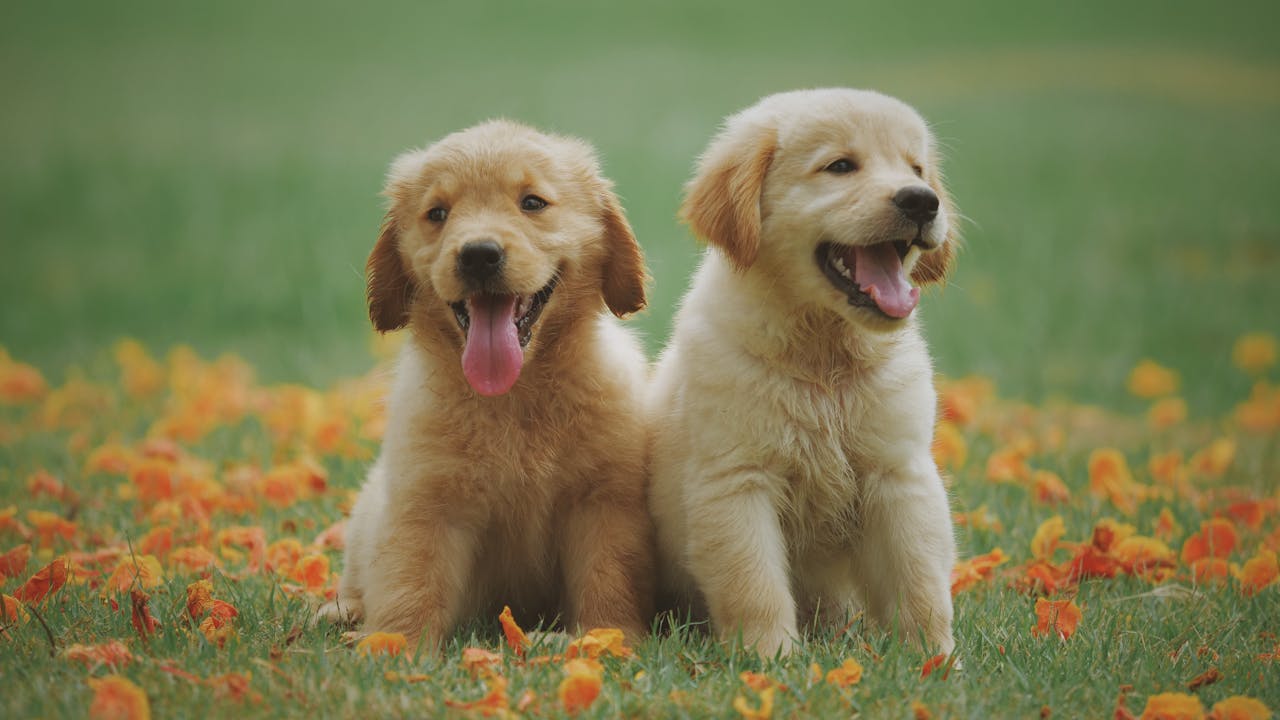
A pet memorial rock is a personalized stone placed in a garden, yard, or burial site to honor a deceased pet. It functions as a grave marker, a tribute, and a focal point for grief and memory. Some people put one where their pet is buried. Others place it in a favorite corner of the yard, the spot where the dog used to stretch out in the morning light, or beside the flower bed the cat always watched from the window.
They range from a simple painted river rock to a precision-engraved granite slab. From a $10 DIY project to a $200 hand-carved piece with a photographic portrait etched into the surface. What every version shares is the intention behind it: to give permanence to the memory of an animal you loved.
The term covers a wide spectrum. A smooth river rock with hand-painted lettering. A flat garden slate with a laser-engraved paw print. A granite marker with the pet's name and dates cut deep enough to last 100 years. A concrete stepping stone with an actual paw print pressed in while the cement was still wet. All of these are pet memorial rocks. Each serves a slightly different need.
Understanding the differences helps you choose the right one for your situation.
Types of pet memorial rocks
Not all memorial stones are equal. Some look beautiful for five years and then fade. Others will outlast everyone who ever knew your pet. Here's a clear breakdown of what's available.
Granite garden markers
Granite is what professional cemetery headstones are made from. There's a reason for that. On the Mohs hardness scale, granite rates a 6 to 7 out of 10. It resists rain, UV radiation, temperature extremes, and wind-borne abrasion. A well-engraved granite pet memorial marker can last 100 years or more outdoors without fading. That is not marketing language. That is a geological fact.
A standard 6x12 inch granite marker starts around $45 to $70. Larger pieces in the 10x16 inch range run $80 to $130. Premium options with a photographic portrait laser-etched from a photo of your pet can reach $150 to $250 or more. For a permanent outdoor tribute, granite is the best material available. Nothing else comes close.
When you see sellers advertising "real stone deep engraving" and waterproof finishes, they are almost always describing laser-cut or sandblasted granite. The text is mechanically carved into the surface. It does not fade. It does not wash away. It is simply there, as long as the stone is there.
Slate stones
Slate has a natural, dark gray appearance and accepts laser engraving well. It looks beautiful in a garden setting, particularly with organic or naturalistic motifs. Slate pet memorial stones typically run $30 to $65.
The limitation is that slate is more porous than granite. In climates with hard freeze-thaw cycles, slate can eventually delaminate or crack along its natural layers. Sealing the surface helps significantly. In mild climates, slate is an excellent and visually striking choice. In regions with harsh winters, granite is more reliable over the long term.
River rocks and natural stones
Smooth, rounded river rocks with engraved or painted text have a soft, organic quality that works well in informal garden settings. They look as if they have always been there. That matters to many pet owners who want their memorial to feel natural rather than formal.
You can source river rocks yourself from streams, beaches, or garden centers, which makes them popular for DIY projects. Pre-made engraved river rocks sell for $20 to $40. If you find a rock with personal meaning, one from a trail you walked with your dog or a beach you visited together, a local engraver or trophy shop can often add text and imagery to it.
Cast concrete and cement markers
Concrete garden markers are molded with paw prints, breed silhouettes, or pressed text. They're inexpensive and reasonably durable when made with quality concrete. Pre-made options run $25 to $55. A DIY cement paw print stone costs $10 to $20 in materials.
The limitation is freeze-thaw cracking in cold climates. Concrete expands and contracts with water and temperature cycling. In harsh winter regions, expect to replace a concrete marker after 10 to 15 years. In mild climates, well-made concrete can last 30 years or more.
Ceramic photo tiles on stone
A photo of your pet is fired onto a ceramic or porcelain tile and embedded in a stone base. The result sits between a photograph and a stone marker. You get your specific pet's unmistakable image alongside the permanence of stone. These typically run $50 to $150.
The limiting factor is outdoor longevity. Photo images can fade over 10 to 25 years with UV exposure, and ceramic tiles may crack in hard freeze cycles. For the intermediate term, a photo tile creates an extraordinarily personal memorial.
Resin and cast polymer "stones"
Lightweight faux stone made from cast resin. These look similar to real stone, cost $15 to $35, and ship easily. They are the most common thing you'll find when searching for "pet memorial stone" on Amazon.
The problem is durability. They chip, fade, and lose structural integrity within 3 to 10 years outdoors, depending on climate. If you want something that still looks presentable in five years, skip resin. It's a compromise that often disappoints.
Painted memorial rocks
Hand-painted river rocks with the pet's name, a portrait, paw prints, or a memorial quote. Very popular as DIY projects and through Etsy artisans. Prices on Etsy run $15 to $45. Beautiful when fresh, but paint on stone fades and eventually peels even with outdoor sealant. Plan to reseal every two to three years and repaint every five to ten.
Materials and durability: what actually lasts
Here is the honest answer most sellers won't give you clearly. If you want a pet memorial that looks good in 20 years, your best option is granite. Everything else involves a trade between cost, aesthetics, and longevity.
Resin is cheap and temporary. Painted rocks are personal and DIY-friendly but require ongoing maintenance. Slate is beautiful but needs sealing and can crack in harsh winters. Concrete is solid but vulnerable to freeze-thaw cycles.
Granite is permanent in a meaningful sense. The same material used in human cemetery headstones has survived outdoor environments for centuries. Deep-engraved text in granite does not fade, wash away, or degrade under normal weather conditions. A granite pet memorial stone purchased today will still be clearly readable by your grandchildren.
The trade-off is cost and shipping weight. Granite is heavier and more expensive than alternatives. But over a 50-year horizon, a $90 granite marker that outlasts everything is better value than three rounds of $30 resin replacements.
A useful reference point: on the Mohs scale, granite scores 6 to 7. Steel files rate around 6.5. That gives you a sense of what granite can resist. In practical terms, it resists scratching from virtually everything in the natural environment, including rain, wind-borne particles, UV radiation, and temperature extremes. This is not a coincidence. This is why humans have used granite for permanent outdoor monuments for thousands of years.
When choosing material, factor in your climate and your timeline. In mild climates with minimal freeze-thaw, slate and ceramic are viable alternatives. In regions with hard winters, granite is the only truly reliable long-term choice.
What to engrave on a pet memorial rock
The engraving is the heart of it. The stone is just stone. What you put on it is the tribute.
Name only
Just the pet's name. Sometimes that's enough. "Buddy." "Luna." "Chester." A single name on a stone is a complete sentence. It says: this creature had a name, we gave it to them, and we still say it.
Name and dates
"Scout | 2010 - 2024." Dates add a timeline and a context. They mark the beginning and the end of a life. They tell anyone who sees the stone years from now exactly when this companion lived.
Name, dates, and breed
"Max | Golden Retriever | 2011 - 2025." A breed adds specificity. It tells the full story of what kind of animal this was, which matters if you want the stone to function as a real record rather than just a marker.
Paw prints
The most common design element on pet memorial stones. An engraved paw print alongside a name feels both universal and specific. Everyone understands what a paw print means. Some sellers offer to replicate your pet's actual paw print from a photo or impression for a uniquely personal result.
Silhouettes
Breed-specific silhouettes are extremely popular. A sitting Labrador. A Siamese cat with an arched back. A rabbit in profile. Silhouettes give the stone a recognizable image of your specific type of pet without requiring photorealistic engraving.
Quotes and epitaphs
These are the most personal choices. The quote you choose should sound like something you would say, not something you found in a catalog.
"If love could have saved you, you would have lived forever." Arguably the most widely used pet memorial quote, and still one of the most honest.
"Forever in our hearts." Simple and true. "A good dog. Always." Three words for a dog who earned that title daily. "Run free." A quiet wish for an animal finally free of pain. "She was home." A complete life in three words. "You were the best part of every day." For a pet who met you at the door every single time. "Until we meet at the Rainbow Bridge." Beloved in pet loss communities for decades.
Classic quotes from literature and notable figures also appear on memorial stones. Anatole France wrote: "Until one has loved an animal, a part of one's soul remains unawakened." Helen Keller wrote: "What we have once enjoyed we can never lose. All that we love deeply becomes a part of us." Both translate beautifully to stone.
Choose something that sounds like you said it. The best engraving is the one that could only have been chosen by someone who knew this specific animal.
Portrait engraving
Higher-end granite engravers can etch a photographic likeness of your pet directly into the stone from a photo you provide. The result is stunning. A permanent image carved into the rock surface alongside the name. This costs $150 to $250 and up, but it creates a truly unique outdoor memorial. Combined with an indoor memorial pet portrait on your wall, it gives your tribute both permanence in the ground and presence in your home.
DIY pet memorial rocks

Making a memorial rock with your own hands carries a different kind of meaning. The focused work of crafting something in the days after a loss is its own form of grief therapy. Many people find it helps to have something constructive to do.
Painted river rock
This is the most approachable DIY option. You need a smooth river rock, acrylic paint, fine brushes, and an outdoor sealant. Find a rock with good weight, something that feels like it belongs in a garden rather than a craft store. Wash it thoroughly and let it dry completely.
Apply a white base coat first. Let it dry fully. Then paint your design. The name in a clear, simple font. A paw print. A small portrait of your pet. If you're not confident in freehand painting, use a stencil for the text and a rubber stamp for the paw print.
Once the paint is completely dry, apply two to three coats of outdoor polyurethane or Mod Podge Outdoor. This step is the one most people skip and then regret. The sealant is the difference between a memorial that holds up for five years and one that fades in a single wet season. Reapply every two to three years.
Cost: $5 to $15 in supplies. Durability: 3 to 7 years depending on climate and sealant consistency.
Concrete paw print stone
This one carries particular emotional weight if you can capture your pet's actual paw print. Some veterinary clinics offer paw print impressions at the time of euthanasia. You may already have one from a craft project you did together years ago.
You need quick-set cement, a mold (a pie tin works well), petroleum jelly as a release agent, and letter stamps for the name. Mix the cement, pour it into the greased mold, and work quickly. Press the paw impression into the wet surface. Stamp or carve the name. Add decorative stones around the border if you like. Let it cure for 48 hours minimum before handling.
Cost: $10 to $20 in materials. Durability: 10 to 30 years in mild climates.
Dremel engraved rock
If you own or can borrow a Dremel rotary tool, you can engrave granite or slate directly. The result is permanent and genuinely resembles professional work when done carefully. Practice on a spare rock first. Use engraving bits at low speed and let the tool do the work without pressing hard. Sketch text lightly in pencil before engraving.
Cost: Dremel tools run $40 to $100 if you don't own one, plus the rock. Durability: Effectively permanent on granite.
The hybrid approach is also worth knowing. Choose a river rock with personal meaning, one from a trail you walked your dog or a beach you visited, measure it precisely, and take it to a local trophy shop or stone engraver for professional laser engraving. You keep the emotional significance of a personally chosen stone and get professional permanence in the text.
Where to buy a pet memorial rock
You have more options than most people realize.
Etsy is the dominant platform for custom pet memorial rocks. Thousands of independent artisans offer hand-painted, laser-engraved, and custom-cut options in every style and price point. The advantage of Etsy is buyer photos. You can see the actual finished product, not just a digital mock-up, before purchasing. Look for sellers with dozens or hundreds of real buyer reviews and genuine product photos showing varied orders.
eBay has a strong selection of granite markers from small memorial businesses and individual craftspeople. Price-competitive and reliable, with many sellers showing strong feedback ratings and transparent turnaround times.
Amazon carries primarily resin and mid-range options. Convenient for Prime shipping but generally lower average quality compared to Etsy. Read reviews carefully and prioritize listings that show actual delivered product photos.
Local trophy shops and sign shops are an underused resource. Many shops that engrave plaques and awards for sports teams will also engrave a pet memorial stone. They have professional equipment, can work on granite you provide yourself, and produce results comparable to specialty online sellers. You can also see samples in person and pick up the finished piece without waiting for shipping.
Local monument companies, the same companies that create human cemetery headstones, will often produce a smaller pet memorial marker using the same granite. Quality is professional-grade. If you want the best possible granite work and prefer to support a local business, this is worth calling about.
Garden centers and pet shops carry pre-made, non-personalized garden memorial stones. Useful for same-day purchase in the immediate days of grief when waiting for a custom order isn't possible. Some designs are genuinely beautiful even without personalization.
What to look for when buying
Engraving method. This is the most important question to ask before purchasing. Deep laser engraving or sandblasting is what you want. Painted text on stone fades and flakes. Vinyl lettering peels under UV exposure within one to three years. Only mechanically cut text, laser or sandblasted directly into the stone surface, is truly permanent outdoors.
Material. Granite outlasts everything for outdoor use. Slate is a good second choice in mild climates. Avoid resin for any outdoor application you expect to last more than five to seven years.
Seller photos. Digital product mock-ups can look significantly better than the real item. Always look for sellers who post actual buyer photos of completed orders. Multiple real photos from different buyers is the most reliable quality indicator you have when shopping online.
Turnaround time. Custom engraved stones typically take 5 to 14 business days. If you need the stone for a memorial service or specific date, order immediately and confirm the turnaround before paying.
Size for the purpose. For a garden grave marker, a minimum of 6x10 inches gives the stone enough visual weight to be substantial. For a pet cemetery, confirm size requirements with the cemetery first, as some have guidelines. For indoor display, 4x6 inches or smaller is appropriate.
Sealant. Ask whether the stone has been sealed. Granite naturally resists water but benefits from a sealant applied to the engraved areas. Other stone types require sealing for any meaningful outdoor longevity.
Creating a pet memorial garden
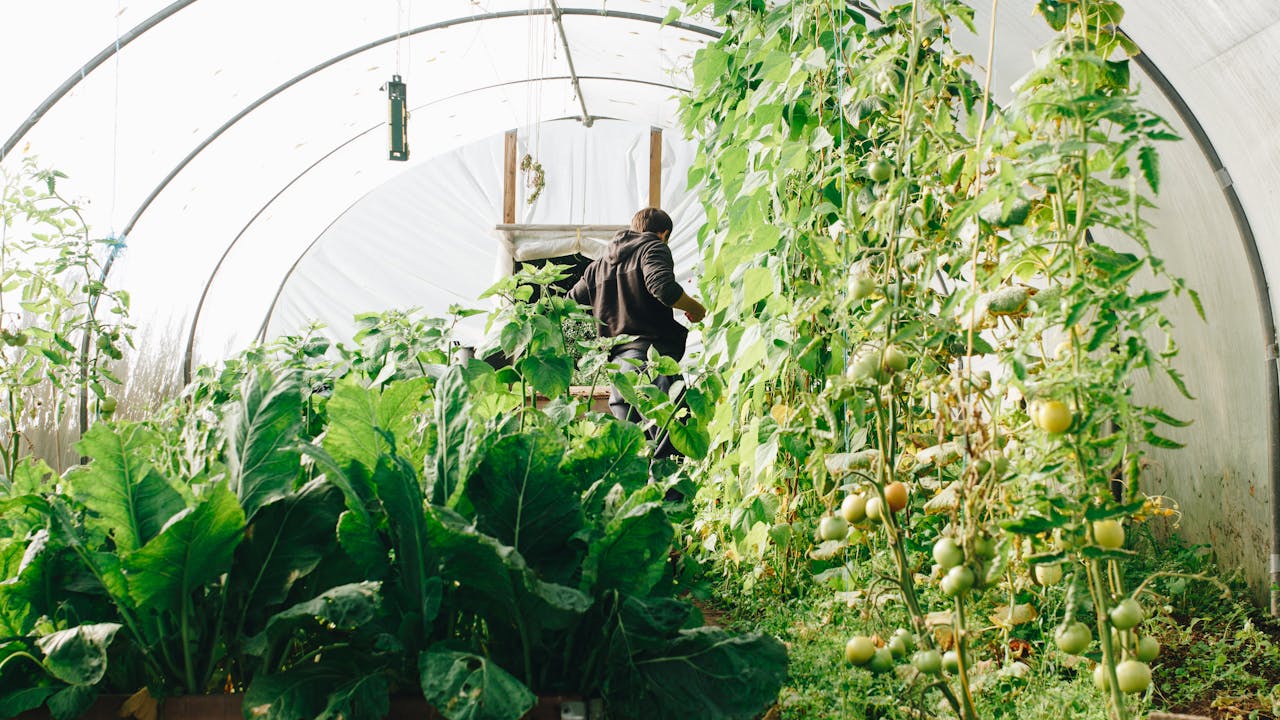
A memorial rock on its own is a marker. A pet memorial garden is a sanctuary.
The best pet memorial gardens share one quality: they're designed to be visited. Not walked past. Visited. That means creating a destination, a corner of the yard that feels set apart, with enough intention in its design to communicate that this place means something different from the rest of the garden.
The stone as anchor
Your memorial rock should be the visual focal point of the space. Position it where it can be seen from a seated position, ideally at the end of a short path or in a clearly defined corner. A flat stone can be surrounded by smaller river rocks, creating a natural bordered area. An upright stone propped against a fence or set in a stone base is more formal and more visible from a distance.
Whatever you choose, the stone should feel placed, not dropped. The difference between a stone that was thought about and one that was just set down is visible immediately.
Plants with meaning
Certain plants carry associations with memory and remembrance that reach back centuries. Rosemary is the oldest, its connection to remembrance woven into literature since ancient times. "Rosemary for remembrance" appears in Shakespeare and the tradition predates him significantly. Lavender is associated with calm and peace, a quality that suits a memorial garden well. Forget-me-nots speak their own name. Pansies, from the French "pensée" meaning thought, have been symbols of memory in garden tradition for centuries.
But the most meaningful plant is often one tied specifically to your pet. The patch of clover the dog always lay in on summer afternoons. The lavender bed the cat stalked in slow motion. The rosebush the rabbit used to watch from the hutch. Planting something your pet interacted with creates a living memorial that returns every spring.
Perennials are particularly powerful here. They come back. The garden around the stone blooms again in spring, and that cyclical renewal becomes its own ritual, one you find yourself marking with quiet awareness every year.
Hardscaping and additional elements
A small bench or chair beside the memorial area creates a place to sit and remember. Not just walk past, but truly sit. A solar lantern ensures the space is visible and warm at night without the complexity of running electrical lines through the yard. Stepping stones leading from the main garden path to the memorial create a sense of approach, of deliberate arrival.
Windchimes are a personal choice. Some pet owners find the sound comforting, a gentle presence in the garden. Others find them intrusive. If your pet was particularly alive to sound, a small set can feel right.
Protection from the mundane
The memorial garden should feel distinct from the rest of the yard. Put it in a corner rather than in the center of activity. Give it at least partial enclosure: a low hedge, a lattice panel with a climbing plant, a border of larger stones. The separation says: this place is different. This is where we come to remember.
Seasonal care as ritual
Cleaning the stone each spring. Planting fresh flowers around it when the weather warms. Brushing fallen leaves away in autumn. These small acts of maintenance become rituals, purposeful connections to your pet's memory that give the passing seasons a different kind of texture. Many bereaved pet owners describe these small seasonal tasks as among the most comforting parts of their ongoing grief.
Pairing an indoor portrait with an outdoor stone

Many devoted pet owners end up doing both. The outdoor memorial stone for the garden, where they can go to sit and feel close. And an indoor tribute for the home, where daily life continues and where the pet's presence can still be felt in a living way.
These two approaches serve different emotional needs, and they do not compete. They complete each other.
A garden stone is for active grief and intentional remembrance. You go there. You stand there. You feel the weight of absence in a specific physical place, one that marks the ground where your pet lived or is buried. It's a place to put your thoughts.
An indoor display centered on a portrait serves living memory. It's not about grief. It's about keeping the relationship alive in the daily texture of home. Your pet's face on the wall, visible every morning. A presence that isn't about loss but about love.
A custom pet portrait from Fable is exactly the right centerpiece for that indoor tribute. The portrait hangs on the wall. Family members see it every day. Guests ask about it. Children who never met the pet know the animal from the portrait on the wall. That is a genuinely different kind of memorial from a stone in the garden, and it serves a different function in how we carry love forward.
Explore dog portraits, animal portraits, pet portraits, and the full memorial pet portraits guide to understand what's possible. If your pet was deeply woven into your family's life, a pet family portraits composition, showing your pet alongside the people who loved them, creates something genuinely irreplaceable.
For those who also want to carry their pet's memory on their person, pet memorial pendants offer a smaller, personal form of tribute that complements both the garden stone and the portrait at home. The personalized pet memorial gifts guide covers the full landscape of options.
The complete tribute: a portrait from Fable on your wall, a memorial stone in your garden, and perhaps a pendant or other keepsake close at hand. These layers of remembrance serve different moments and different moods. They ensure your pet's memory has a home in every part of your life.
Visit Fable's blog for more guides on pet memorial ideas, portrait styles, and gift ideas that honor the animals we love. Browse family portraits, couple portraits, kids portraits, and self portraits to explore everything Fable creates.
Price guide for pet memorial rocks
Here is a straightforward breakdown of what to expect to pay by type and source.
DIY painted river rock: $5 to $15 in supplies. Resin cast stone plaques: $15 to $35. Painted memorial rocks from Etsy: $15 to $45. Concrete garden markers: $25 to $55. Slate engraved stones: $30 to $65. Small engraved river rocks: $20 to $40. Granite markers (6x12 inch): $45 to $70. Larger granite pieces (8x14 to 10x16 inch): $80 to $130. Premium granite with portrait etching: $150 to $250 or more. Custom-carved stone monuments: $300 to $500 and up.
For a quality outdoor memorial that will still look presentable in 20 years, budget $60 to $130 for a well-made granite or slate marker from a reputable Etsy seller or a local stone shop. That's the sweet spot for durability and value.
Frequently asked questions
What type of rock is best for a pet memorial?
Granite is the best material for a permanent outdoor pet memorial rock. It's the same material used in human cemetery headstones and can last 100 years or more without significant weathering. Slate is a good second choice in mild climates. Avoid resin for any outdoor application you want to last more than five years.
How do I keep a painted pet memorial rock from fading?
Apply two to three coats of outdoor polyurethane or a dedicated stone sealant after painting. Let each coat dry fully before applying the next. Reapply the sealant every two to three years. Even with careful maintenance, painted rocks will need repainting every five to ten years. For a truly permanent result, laser-engraved granite requires no maintenance.
Can I bury a memorial rock with my pet?
Yes. If your pet is buried in your yard, you can place a flat memorial stone over the burial site or position a marker at the head of the grave. A granite marker is the best choice for a grave marker given its durability. Home burial of pets is legal in most states with some local restrictions, so confirm your local regulations first.
What should I engrave on a pet memorial stone?
At minimum, engrave your pet's name. Adding dates and a short quote adds context and personality. Favorites include: "If love could have saved you, you would have lived forever," "A good dog. Always," and "Run free." Choose something that sounds like you said it, not like you found it in a product listing. The best engraving is one that could only have been chosen by someone who knew this specific animal.
How long does a pet memorial rock last outdoors?
This depends entirely on the material. Granite lasts 100 years or more. Slate lasts 20 to 50 years with proper sealing. Cast concrete lasts 10 to 40 years. Resin "stone" lasts 3 to 10 years. Painted river rocks need maintenance every 2 to 5 years.
What complements a pet memorial rock for an indoor tribute?
A memorial pet portrait is the most meaningful indoor complement to an outdoor stone. The stone gives you a place to go in the garden. The portrait keeps your pet's face present in your daily life at home. Personalized pet memorial gifts like custom portraits, pet memorial pendants, and photo books can all be combined into a complete tribute. The pet memorial ideas guide covers the full range of options.
Can a local shop make a pet memorial rock?
Yes, and this is an underused option. Local trophy shops, sign shops, and monument companies often provide custom engraving services. They can work on granite you source yourself or provide their own material. Quality is typically professional-grade, turnaround is often faster than online orders, and you can see samples in person before committing.
How do I choose the right size for a pet memorial rock?
For a garden grave marker, a minimum of 6x10 inches gives the stone enough visual weight to feel substantial. For indoor display, 4x6 inches or smaller works well. For use at a pet cemetery, confirm the cemetery's size guidelines before ordering, as many have specific requirements.
Related guides
- Pet memorial ideas
- Personalized pet memorial gifts
- Memorial pet portraits
- Pet memorial pendant
- Pet portraits
Sources
- American Pet Products Association: Pet Industry Market Size
- Grand View Research: Global Pet Care Market Report
The grief of losing a pet is real and it is hard. A stone in the ground helps. It gives you a place to go. A physical point of contact for memories that have nowhere else to land. The weight of granite, the permanence of something that was placed with intention, says what words often can't: this life mattered and was worth marking.
But the most complete tribute you can give is one that lives both in the garden and on the wall. The stone for the quiet mornings outside. The portrait for every morning inside. Your pet was part of your life in every room and every season. A tribute that meets that standard does justice to what you lost.
Start with Fable. Create the portrait first. Give yourself the tribute that lasts indoors and out.