Pet Portraits: Turn Your Companion Into Timeless Art
Ninety-seven percent of pet owners say their animals are family. Not metaphorically. Not as a cute thing to post on social media. They mean it the way you mean it when you talk about your parents, your siblings, your children.
And yet most homes treat pets as an afterthought when it comes to wall art. Stock photos of landscapes hang in the living room. Abstract prints fill the hallway. Maybe a framed snapshot sits on a shelf somewhere. Meanwhile, the creature who greets you at the door every single day, who knows your moods better than your closest friends, gets nothing.
Pet portraits change that equation entirely.
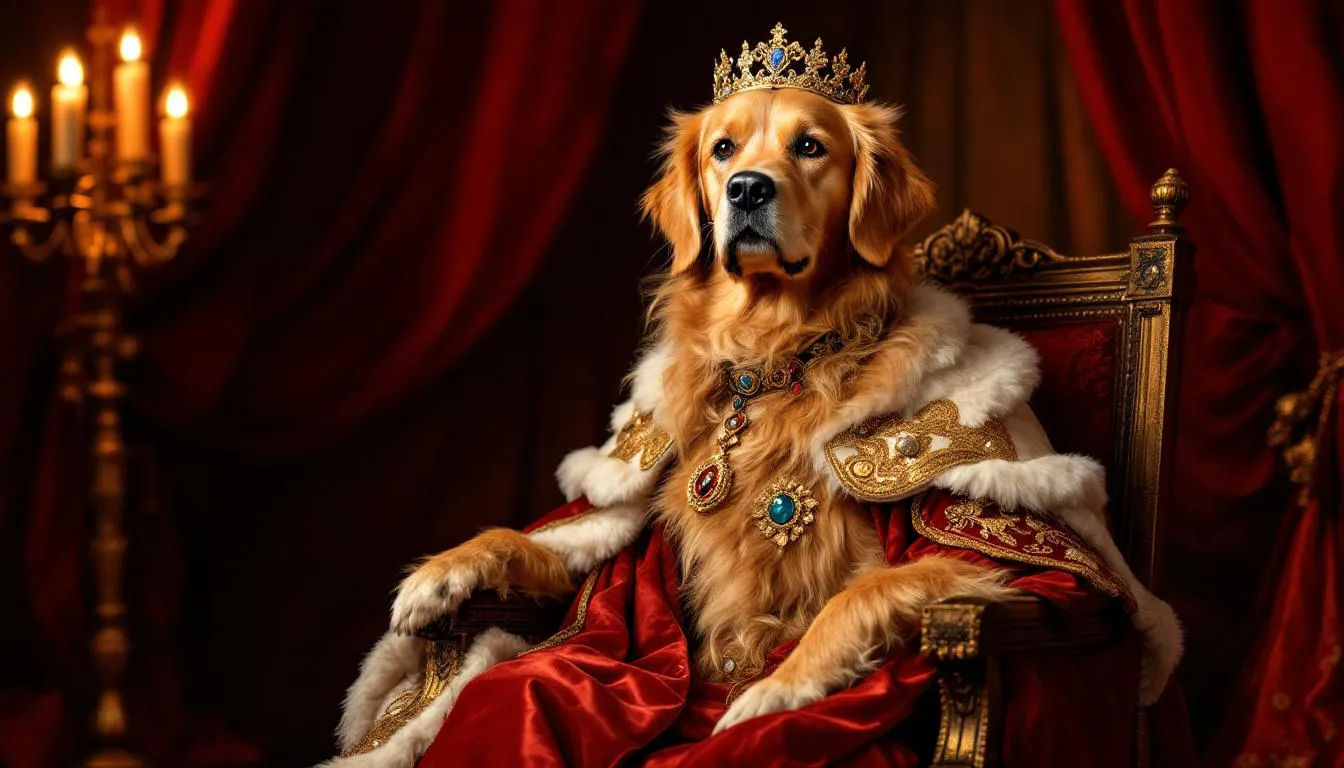
A custom pet portrait takes the companion you love and elevates them into something permanent. Something beautiful. Something worthy of the walls where you spend your life. Whether it's an oil painting that captures every whisker with photographic precision, a Renaissance masterpiece that dresses your rescue mutt in royal finery, or a bold pop art piece that turns your cat into an icon, pet portraits give your animal the artistic treatment they've always deserved.
This guide covers everything you need to know. We'll walk through the most popular styles, from classical to contemporary. You'll learn how to take the perfect photo for stunning results. We'll break down pricing so you know what to expect at every budget. And you'll discover why pet portraits have become one of the most meaningful gifts you can give, not just for pet lovers, but for anyone who understands what it means to love an animal.
Whether you want to honor a living companion or memorialize one who's passed, this is your starting point.
Why pet portraits matter
More than decoration
Let's start with a question. How many photos of your pet are on your phone right now?
If you're like most pet owners, the answer is somewhere between "too many" and "I need more storage." We photograph our animals constantly. At the park. On the couch. Mid-yawn. Mid-zoomies. We capture every moment because these moments matter to us in ways that are hard to explain to people who don't have pets.
But a phone full of photos isn't the same as a portrait on your wall.
Photos are records. Portraits are celebrations. A photo says "this happened." A portrait says "this matters." There's an intentionality to commissioning a pet portrait that goes beyond snapping another picture. You're choosing to honor your companion. You're investing in art that says this creature changed my life, and I want the world to see it.
Fable was built on this belief. Every portrait we create starts with the understanding that your pet isn't just a pet. They're a family member who deserves art that reflects their place in your life. Our family portraits include everyone who belongs in the frame, fur and all.
The psychology of pet art
Why do people spend money on custom pet portraits when their camera roll is already full?
The answer lives in how our brains process art versus photography. Photographs are literal. They show exactly what the camera saw, nothing more and nothing less. But art interprets. It emphasizes. A skilled portrait artist captures the personality behind the eyes, the dignity in a resting pose, the mischief in a tilted head. The result is an image that feels more true than any photograph, because it shows what you see when you look at your pet rather than what a lens records.
Research backs this up. Studies consistently show that personalized art creates stronger emotional responses than generic imagery. When something is made specifically for you, about someone you love, it becomes irreplaceable. You can buy another landscape print. You can't replace a portrait of your one-of-a-kind companion.
There's also the permanence factor. A portrait on canvas or in a frame communicates something different than a digital image on a screen. It says "this is worth preserving." It anchors your pet's presence in your physical space in a way that even the best photo on your phone simply cannot match. Understanding how it works helps you see how a simple upload transforms into art you'll keep forever.
A tradition older than you think
Humans have been painting their animals for centuries. Egyptian pharaohs commissioned portraits of their cats. European aristocrats posed with their hunting dogs. Queen Victoria was famously devoted to her pets and ensured they were included in royal paintings. The tradition of royal pet portraits stretches back through every era of Western art.
What started as a privilege of the wealthy has become accessible to everyone. Modern technology, skilled digital artists, and platforms like Fable mean you don't need a royal budget to get royal-quality art. The tradition of honoring our animals through portraiture is more alive today than it's ever been.
The global pet photography and portrait market is valued at over a billion dollars and growing at nearly 10% per year. Americans spend over $150 billion annually on their pets, and a growing share of that goes toward personalized art and keepsakes.
This isn't a fad. It's a cultural shift in how we celebrate the animals we love.
Popular pet portrait styles
Not all pet portraits look the same. The style you choose shapes everything, from mood and aesthetic to where the finished piece looks best on your walls. Here's a breakdown of the most popular approaches, so you can find the one that matches your vision.
Renaissance and royal portraits
This is the style that broke the internet. Renaissance pet portraits dress your companion in the elaborate costumes of historical nobility. Think ruffs, velvet capes, jeweled crowns, and gilded armor. Your golden retriever becomes a Renaissance duke. Your tabby cat becomes a Victorian empress.
The humor is part of the appeal. Seeing your goofy, ball-chasing labrador in the formal regalia of a sixteenth-century nobleman is inherently funny. But the best renaissance pet portraits aren't just jokes. They're genuinely beautiful artworks that combine classical painting techniques with your pet's unique expression and personality.
This style works best for pets with expressive faces. Dogs who hold a dignified stare. Cats who naturally look like they're judging everyone around them. The more personality your pet brings to the photo, the better the Renaissance portrait will be.
Our guide to royal pet portraits goes deep on everything from baroque grandeur to Victorian elegance. You can also read about regal pet portraits for a closer look at what makes the royal treatment so compelling.
Oil painting portraits
Oil paintings represent the traditional pinnacle of pet portraiture. Rich tones. Complex shade mixing. Smooth gradients that create incredible depth and realism. A quality oil painting portrait can look so lifelike that guests mistake it for a photograph until they step closer and see the brushstrokes.
This medium excels at capturing texture. The sheen of a labrador's coat. The fluffy chaos of a Persian cat's fur. The wiry whiskers of a terrier. Oil paint's slow drying time allows artists to blend and layer in ways that other mediums simply can't match.
Oil portraits tend to suit pets with a regal or dignified bearing. The German shepherd who sits like a statue. The Maine Coon who radiates quiet authority. But they work beautifully for any pet when executed well. If you're drawn to this traditional look, explore custom dog portraits for ideas on matching your dog to the perfect painted style.
Pricing for oil paintings ranges from about $130 for entry-level work to over $750 for larger, more detailed pieces. True fine-art commissions from established artists can reach into the thousands. The investment pays off in a piece that lasts generations with proper care.
Watercolor portraits
Where oil paintings offer precision and depth, watercolors bring movement and emotion. The translucent washes create a dreamy, almost ethereal quality that's perfect for capturing your pet's energy and spirit.
Watercolor portraits work especially well for pets in motion. The playful puppy mid-leap. The cat pouncing on an invisible target. The bird with wings outstretched. Something about the fluid nature of watercolor captures kinetic energy in a way that more rigid mediums sometimes miss.
The color palette tends toward softer, more muted tones, though watercolors can also be bold and vivid depending on the artist's approach. These portraits fit beautifully in bright, airy spaces. A watercolor pet portrait in a white frame on a light wall creates a sophisticated, gallery-worthy display that complements your couple portraits or other artwork nearby.
Prices typically start around $100 to $149, making watercolors accessible for most budgets. They also dry quickly, which often means faster turnaround times compared to oils.
Digital and AI-enhanced portraits
Digital portraiture has revolutionized the pet portrait space. Artists working on tablets can achieve virtually any style, from photorealistic to wildly stylized, with the added benefits of easy editing, infinite color options, and quick revisions.
AI-enhanced portraits represent the newest evolution. These use artificial intelligence to assist the creative process, generating compositions or style transfers that result in art that would take traditional methods weeks to produce.
Fable uses advanced technology to transform your photos into stunning portrait art. The process lets you see your pet reimagined in styles that range from classical Renaissance to modern pop art. Check how it works to see the transformation process firsthand, or visit pricing to see what fits your budget.
Digital portraits are the most affordable option, starting under $50 for straightforward pieces. They're also the most versatile. A digital file can be printed on canvas, metal, paper, or virtually any other surface in any size you choose.
Pop art portraits
Bold colors. Graphic shapes. Andy Warhol meets your poodle. Pop art pet portraits take the energy and attitude of the pop art movement and apply it to your companion's face.
These portraits make statement pieces. Bright, eye-catching, and unapologetically modern, they suit contemporary spaces that need a focal point. They also make incredible conversation starters. Nobody walks past a neon-colored portrait of a bulldog without commenting on it.
Pop art works for every pet. The style's graphic nature means it translates well regardless of breed, size, or species. Whether you have a Great Dane or a hamster, pop art makes them look iconic. If you're interested in more contemporary art styles for your walls, our guide to surreal art prints explores another boundary-pushing approach.
Minimalist and line art
On the opposite end of the spectrum from pop art, minimalist pet portraits strip everything down to essentials. A continuous line that traces your pet's silhouette. A simple outline that captures their defining features with elegant economy.
This style appeals to owners who prefer clean, modern aesthetics. A minimalist pet portrait on a white wall in a thin black frame looks effortlessly sophisticated. It's the kind of art that complements a space rather than dominating it.
Minimalist portraits work best for pets with distinctive silhouettes or features. The greyhound's lean profile. The bulldog's unmistakable head shape. The cat's angular ears and almond eyes. The simpler the art, the more important those defining characteristics become. Pair a minimalist pet portrait with self portraits in a similar style for a cohesive gallery wall that represents every member of the household.
Pencil and charcoal drawings
There's something uniquely intimate about a pencil or charcoal drawing of your pet. The medium feels personal, almost like someone carefully sketched your companion by hand in a quiet room. Because that's exactly what happened.
Pencil drawings excel at detail. Every strand of fur. Every whisker. The subtle gradations of light and shadow that give a face dimension and depth. For pets with textured coats, colored pencil or graphite renderings often look the most lifelike of any medium.
Charcoal adds drama. Deeper blacks, bolder contrasts, a slightly gritty quality that gives the portrait an artistic edge. Pets with gray or wiry fur look particularly striking in charcoal.
Pricing starts around $89 for smaller pieces, with turnaround times typically ranging from two to five weeks depending on the artist's schedule and your desired level of detail.
Choosing the right style for your pet
Every pet has a personality. The best portrait captures it.
A bouncy, goofy golden retriever might look awkward in a formal oil painting but perfect in a pop art explosion of color. A dignified, slow-blinking Persian cat was practically born for Renaissance portraiture. Matching your pet's character to the right style is the single most important decision in the portrait process.
Here's a simple framework.
High-energy, playful pets thrive in watercolor and pop art. These styles capture motion and personality without trying to make your pet sit still. The fluidity of watercolor mirrors their energy, while pop art's boldness matches their big personalities.
Dignified, calm pets suit oil paintings, Renaissance portraits, and pencil drawings. These mediums reward a steady gaze and a composed expression. If your pet naturally looks noble, lean into it. A regal pet portrait or renaissance pet portrait can turn that natural dignity into gallery-worthy art.
Distinctive-looking pets work wonderfully in minimalist and line art. If your pet has a silhouette that's instantly recognizable, stripping away the excess lets those features shine. A minimalist portrait of a dachshund captures that long body and short legs with playful precision.
Multi-pet households should consider which style can accommodate multiple subjects without getting cluttered. Oil paintings and digital portraits handle multiple pets well. Pop art can work if each pet gets their own panel. Our family portraits page shows how multiple subjects come together beautifully, whether they have two legs or four.
Don't overthink it. Your instinct about your pet's personality is usually the best guide.
Matching the portrait to your space
Style isn't just about your pet. It's also about where the portrait will live.
Modern, minimalist homes pair well with line art or pop art. Traditional spaces welcome oil paintings and Renaissance portraits. Eclectic rooms can handle virtually any style with confidence.
Consider the color palette too. A watercolor in soft blues and greens complements a calm, neutral room. A bold pop art piece adds energy to a muted space. A warm-toned oil painting anchors a room with traditional furniture and rich textures.
The best pet portrait doesn't just honor your companion. It enhances your home. When both elements align, you get a piece that feels like it was always meant to be there, hanging between your couple portraits and kids portraits.
How to take the perfect photo for your pet portrait
Your portrait is only as good as the photo you start with. A clear, well-lit, personality-filled photo gives any artist the raw material they need to create something extraordinary. A blurry, dark, or oddly-angled photo limits what's possible.
Here's how to capture the best possible reference photo.
Lighting is everything
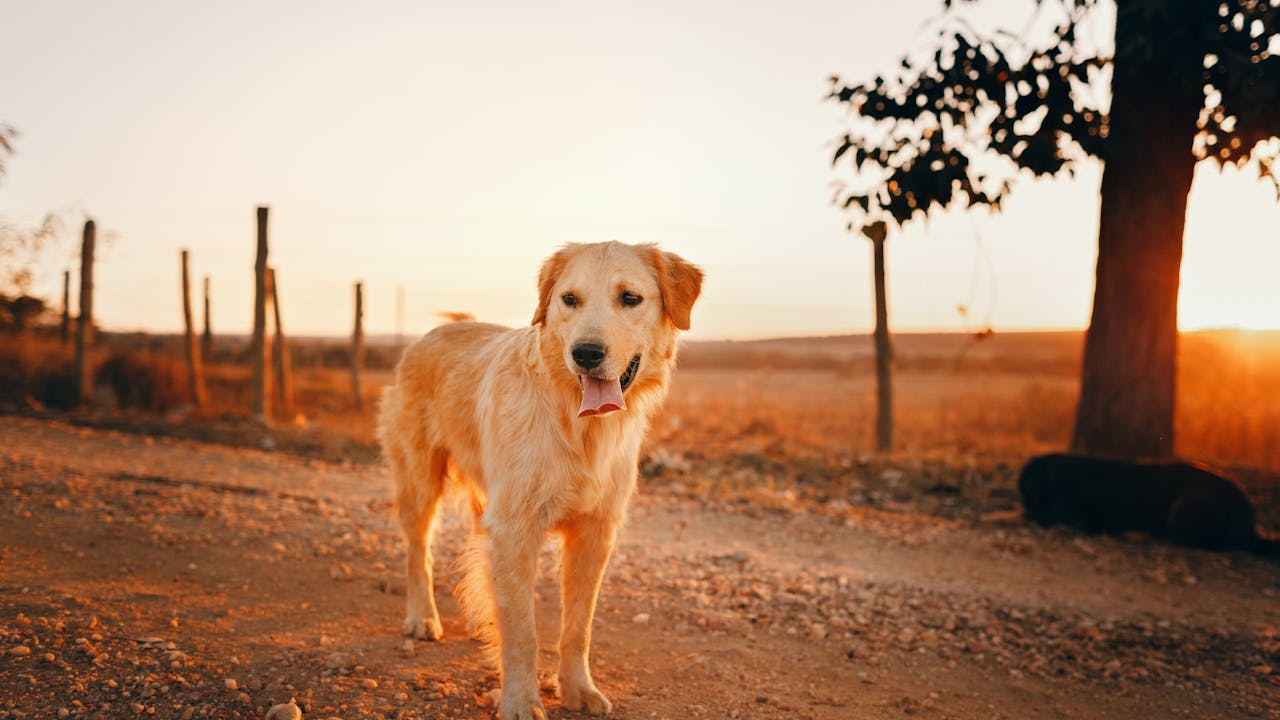
Natural daylight is your best friend. Take photos near a large window or outdoors on a slightly overcast day. Direct sunlight creates harsh shadows, but soft, diffused light reveals every detail of your pet's face and coat.
Avoid indoor lighting when possible. Overhead lights cast unflattering shadows under the eyes and chin. Warm-toned lamps alter the true colors of your pet's fur, which matters when an artist is trying to match those colors precisely.
If your pet has dark fur, make your photos slightly brighter than usual. Dark coats absorb light and lose detail in shadows. A well-lit photo of a black cat shows the subtle variations in their coat that make the difference between a flat portrait and a lifelike one.
Get on their level
This is the single most transformative tip for pet photography. Get down to your pet's eye level. Not above them looking down. Right at their height.
Shooting from above creates a distorted perspective where the head looks too large and the body too small. It's fine for a casual snapshot but terrible for portrait reference. Eye-level photos create the dignified, balanced composition that translates best into art.
For small pets, this might mean lying on the floor. For larger dogs, kneeling works. The slight inconvenience is worth it. The difference in the final portrait will be dramatic.
Capture their personality
The best pet portraits capture something more than physical likeness. They capture character.
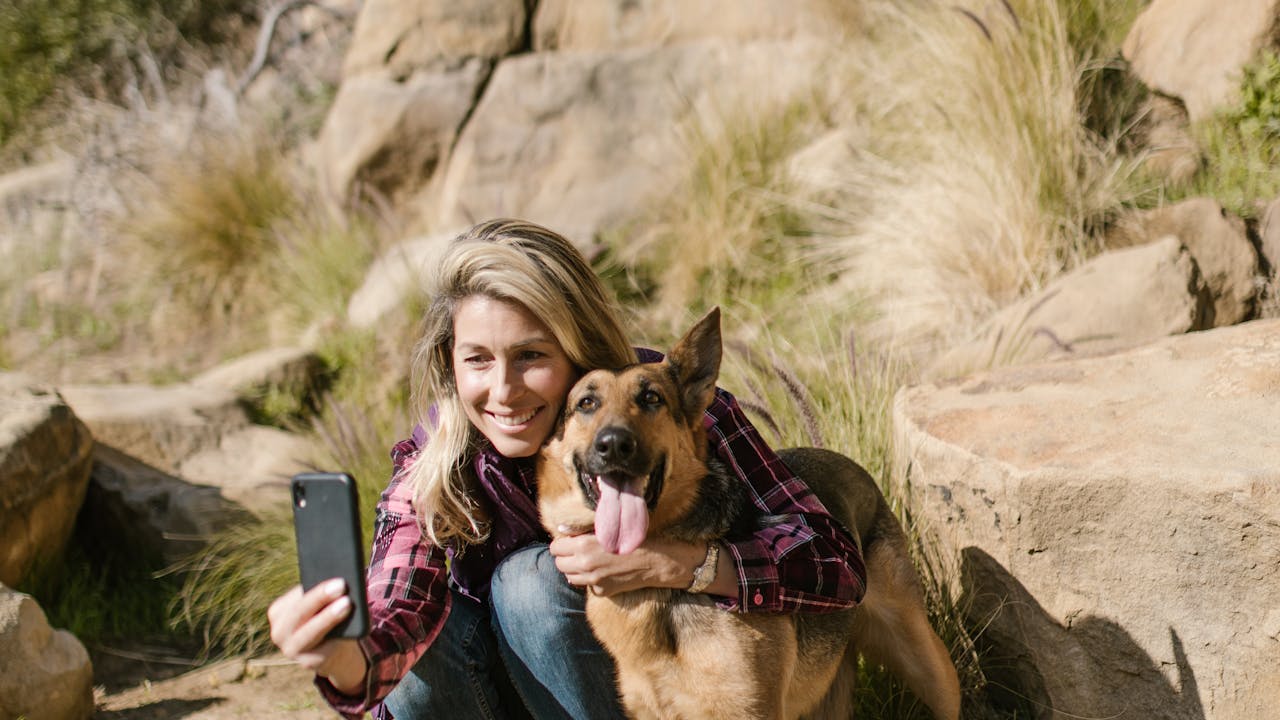
Think about what makes your pet uniquely them. The head tilt when they're curious. The soft eyes when they're relaxed. The alert, ears-forward expression when something catches their attention. Wait for one of those moments and snap the photo.
Treats help. Hold a treat just above the camera lens. Your pet will look directly at you with an alert, engaged expression. That direct eye contact translates beautifully into portrait art.
Don't force it. If your cat's personality is "sleepy and unbothered," capture that. If your dog's defining trait is "perpetually excited," let that energy show. The portrait should feel honest, and honesty starts with the reference photo. If you're creating a personalized dog portrait as a gift, try to get photos without the owner knowing. Capturing the pet in their natural state often produces the most authentic expressions.
Multiple angles matter
Send your artist more than one photo. Different angles give them a complete understanding of your pet's build, proportions, and features that a single shot might not fully capture.
Include a clear face-on shot for the main composition. Add a three-quarter angle for depth. Throw in a full-body photo so the artist understands proportions. If your pet has distinctive markings on their side or back, include those too.
More reference material means a more accurate portrait. Most services welcome additional photos because it makes their job easier and the result better for you.
Technical specifics
If you're using a phone camera, which most people do, a few technical adjustments help. Tap your pet's face on the screen to ensure focus locks there. Avoid using the zoom, and step closer instead. Digital zoom reduces image quality significantly.
For those with DSLR or mirrorless cameras, shoot at a wide aperture between f/1.8 and f/2.8. This blurs the background and keeps your pet sharp, creating a photo that already looks halfway to a portrait.
Resolution matters too. Higher resolution photos preserve detail that the artist can work with. Avoid sending heavily filtered or edited photos, because the artist needs to see your pet's true colors and features.
Check how it works for specific guidance on uploading photos and getting the best results from Fable's portrait process.
What to expect from the portrait process
If you've never commissioned a pet portrait before, the process might feel unfamiliar. Here's what it typically looks like, from photo to finished art.
Choosing your style and service
Start by deciding what style resonates with you. Browse portfolio examples from different artists or services until something clicks. Pay attention to how they handle the details you care about most. Fur texture. Eye expression. Background treatment. Color palette.
Fable makes this step simple. Upload your photo, choose your style, and our technology handles the transformation. The whole experience is designed to feel effortless, because commissioning art shouldn't require an art degree. You can explore options for self portraits, kids portraits, couple portraits, and family portraits alongside your pet portrait.
If you're working with a traditional artist, many will want to discuss your pet's personality and your vision for the piece. Good artists ask questions. They want to know what makes your pet special so they can capture that essence in the final work.
Timeline and revisions
Turnaround varies widely by type. Digital portraits can be completed in days. Oil paintings might take several weeks for the paint to fully cure. AI-enhanced services offer some of the fastest turnarounds because the technology accelerates the creative process without sacrificing quality.
Most reputable services offer at least one round of revisions. Some offer unlimited revisions until you're satisfied. Before you commit, check the revision policy. A portrait is deeply personal. You should feel completely happy with the result.
Delivery and printing
Digital portraits arrive as high-resolution files that you can print yourself in any size. Some services offer canvas printing and framing as add-ons, which saves you the effort of finding a separate printer.
Traditional paintings arrive ready to hang, though you may want to invest in professional framing for the best presentation and long-term protection.
Whichever route you take, make sure the final file or canvas is large enough for your intended display size. A portrait that looks crisp on your laptop might pixelate if you blow it up to fill a living room wall. Visit our pricing page to see options and sizes available through Fable.
Sizing and display guide
You've got a beautiful pet portrait. Now, where does it go?
The answer matters more than most people realize. The right placement transforms a portrait from "nice art" into the focal point of a room. The wrong placement buries it.
Choosing the right size
Small (8x10 to 11x14 inches): Perfect for bedrooms, hallways, shelves, and desks. Small portraits feel intimate and personal. They work well in groupings, where several small portraits create a gallery wall of family members, pets included.
Medium (16x20 to 18x24 inches): The most popular size for good reason. Large enough to be a statement piece, small enough to fit in most rooms comfortably. A medium portrait above a couch, mantle, or console table is a classic placement that never goes out of style.
Large (24x30 to 30x40 inches): Statement art for serious impact. These demand attention and work best in rooms with high ceilings or large empty walls. A large oil painting or royal pet portrait in this size range has genuine gallery presence.
Extra large (36x48 inches and up): Reserved for dramatic impact in grand spaces. These work in open-concept rooms, above fireplaces with high mantles, or as the single focal point of a spacious entrance. Go this big only if the wall can handle it.
Consider your pet's actual size too. A Great Dane portrait should probably be larger than a Chihuahua portrait. Not because one matters more, but because proportionality affects how the piece reads on the wall.
If you're commissioning couple portraits or family portraits that include pets alongside people, size up. Multiple subjects need room to breathe within the frame.
Framing for protection and beauty
The right frame does two things. It protects your art from damage, and it elevates the presentation.
For oil paintings and traditional portraits, use a professional framer who works with acid-free, conservation-grade materials. Cheap frames use materials that contain natural acids, and those acids cause yellowing and deterioration over time. Your pet portrait should outlast you. Frame it accordingly.
Canvas prints often look best without a frame, especially contemporary styles like pop art or minimalist line art. The clean edge of a gallery-wrapped canvas suits modern spaces perfectly.
Traditional styles benefit from ornate frames. A gilded or antique-style frame completes the museum aesthetic of a renaissance pet portrait and makes the piece feel like a genuine Old Master work.
Where to display your portrait
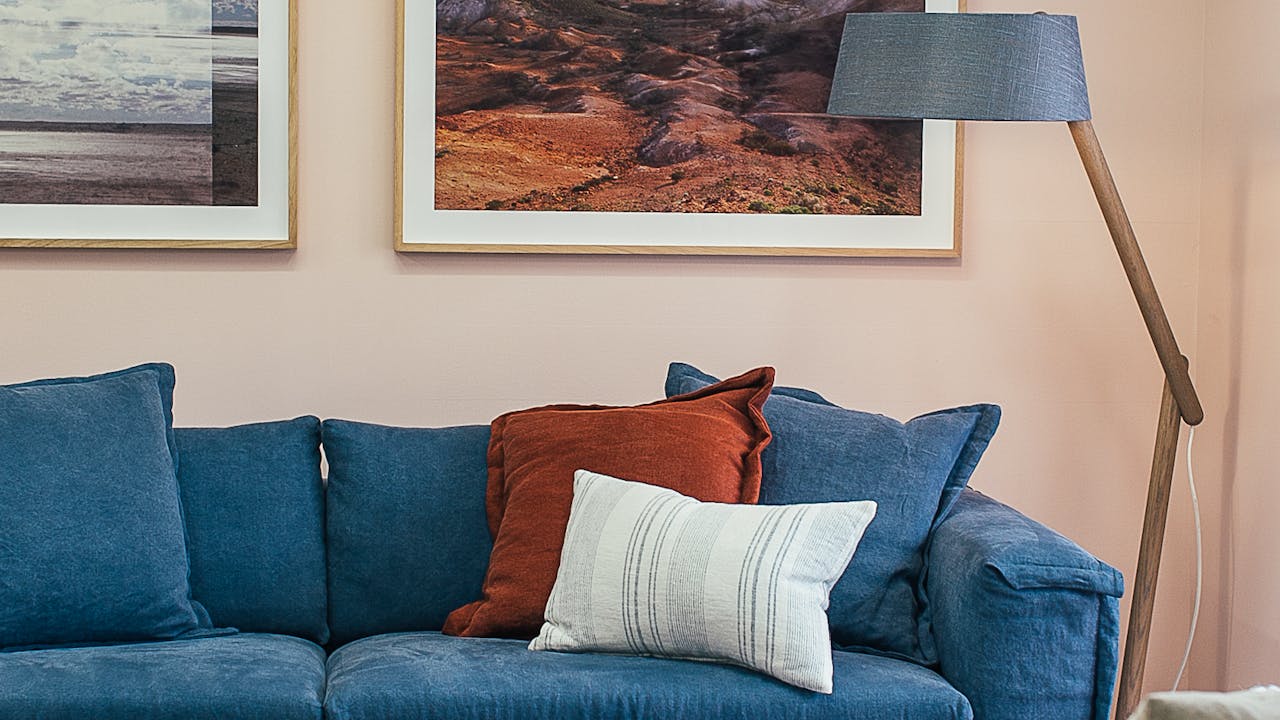
Above the sofa: The most popular spot for medium to large portraits. Center the portrait above the sofa at eye level for maximum visual impact.
Above the fireplace: A classic placement that gives the portrait commanding presence in the room. Make sure the heat from the fireplace won't damage the art over time.
Gallery wall: Mix pet portraits with family photos, other art, and mementos for a personal, curated feel. Include kids portraits and self portraits alongside your pet portrait for a wall that represents every member of the household.
Entryway: Greet guests and yourself with your pet's portrait every time you walk through the door. A medium-sized portrait in the entryway makes an immediate, warm impression.
Home office: Smaller portraits on or near your desk keep your companion close during the workday. Especially meaningful if you've lost a pet and want their presence nearby.
Avoid direct sunlight regardless of placement. UV light causes fading in all mediums over time. Also avoid high-humidity areas like bathrooms and spots directly above heat sources that could warp canvas or dry out paint.
Pet portraits as gifts
If you've ever struggled to find a meaningful gift for someone who loves their pet, stop struggling. You've found it.
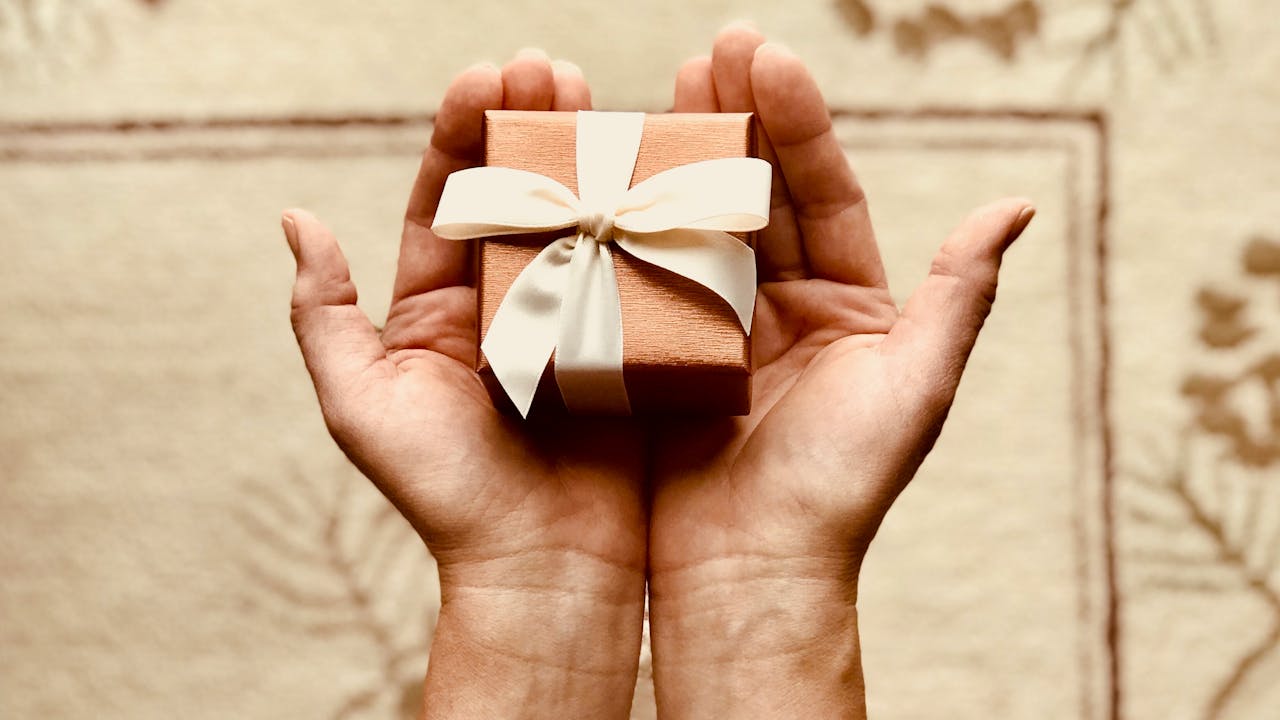
Custom pet portraits consistently rank as the top gift for pet owners across nearly every gift guide published by major outlets. The reason is simple. A pet portrait demonstrates that you noticed. You saw how much someone loves their animal, and you translated that observation into art. That level of thoughtfulness sets pet portraits apart from every generic gift on the market.
The best occasions for pet portrait gifts
Birthdays are the most obvious occasion, but pet portraits work for virtually any celebration. Holiday gifts, housewarming presents, anniversaries, graduations. Any time someone deserves something meaningful rather than something that ends up forgotten in a drawer.
Pet adoption anniversaries are particularly special. Many pet owners celebrate the day their companion came home. A portrait commemorating that bond makes the anniversary even more significant.
"Just because" gifts might be the most powerful use case of all. Surprising someone with a portrait of their beloved pet on a random Tuesday communicates more love and attention than most planned gifts ever could.
For more ideas that center around art and personalization, explore our guides on gifts for art lovers and unique gifts for art lovers. If you're shopping for a specific recipient, we also have recommendations for art gifts for teachers and art gifts for teens.
Why pet portraits outperform other gifts
Let's compare.
A smart pet camera costs $50 to $250. It's practical. But it's a gadget. It doesn't carry emotional weight. It doesn't make someone's eyes well up when they open it.
A subscription box costs $25 to $50 per month. Fun, sure. But consumable. Gone in days.
Custom apparel with a pet's face printed on it? It wears out. Pet jewelry? Lovely, but impersonal compared to actual artwork of their specific companion.
A pet portrait costs anywhere from $50 to several hundred dollars depending on style and size. And it lasts forever. It hangs on a wall and becomes part of someone's daily life. Every morning, they walk past it and think of their companion. And they think of you for giving it to them.
That's the gift equation that pet portraits win every time. They create lasting emotional value at a price point that competes with gifts delivering a fraction of the impact. Americans spent $1.7 billion on pet gifts for Valentine's Day alone in a recent year. The market is enormous because the love is enormous. Channel that love into art, and you've given something truly unforgettable.
Visit pricing to explore what fits your budget, or start directly at Fable where the process takes minutes, not weeks. You can also create personalized dog portraits or custom dog portraits as gifts through our simple upload process.
Memorial pet portraits
Some portraits are created with joy. Others are created through grief. Both are equally meaningful.
Losing a pet is devastating. For many people, it's losing a family member who was with them through moves, breakups, career changes, and everything in between. The silent mornings after, when nobody greets you at the door, are among the hardest moments pet owners face.
Memorial pet portraits help with that grief in ways that might surprise you.
A portrait doesn't replace your pet. Nothing can. But it creates a physical anchor for your memories. Instead of scrolling through photos on a phone, which often brings as much pain as comfort in the early days, you have a single beautiful image that captures your companion at their best. Resting on the wall. Permanent. Present. Still part of the room.
About half of all pet portrait commissions come from owners who have lost their animals. The pet memorial market is valued at over $2 billion and growing, because people increasingly recognize the importance of honoring their companions after they've gone.
If you're considering a memorial portrait, choose a photo from your pet's happy, healthy days. An image that captures their personality and spirit, the way you want to remember them. Many owners pick a photo where their pet is looking directly at the camera, creating that sense of connection even in art.
Memorial portraits also make deeply compassionate gifts. If someone you know has recently lost a pet, commissioning a portrait of that animal is one of the most thoughtful gestures you can make. It says "I know how much they meant to you, and I want you to have something beautiful to remember them by." Our family portraits can even combine past and present pets into a single piece, reuniting companions who were separated by time.
How much do pet portraits cost?
Price is always a factor. Here's an honest breakdown of what you can expect across different styles and mediums, so you can plan accordingly.
Digital portraits: $10 to $400
The widest range because "digital" covers everything from basic file downloads to complex, multi-layered custom compositions. Budget digital portraits under $50 work fine for social media or casual display. For print-quality art meant for your walls, expect to invest $100 to $300 for something you'll genuinely love.
Oil paintings: $130 to $750+
Size drives pricing more than anything else here. An 8x10 oil painting might start around $130 to $170. Move up to 14x18 and you're looking at $400 to $625. Large-format pieces above 24x30 can exceed $750 easily. Master artists with waiting lists command significantly more, with some fine-art pet portrait commissions reaching into the thousands.
Watercolors: $100 to $400
Similar to oil paintings but generally a step lower in price. The faster drying time means quicker completion and lower labor costs for the artist. Watercolors offer excellent value for budget-conscious buyers who want genuine hand-painted quality without the oil painting price tag.
Pencil and charcoal: $89 to $300
Among the most affordable traditional mediums. The monochrome palette means less material cost, though the skill required is just as significant as any other medium. These make elegant, understated portraits that suit almost any home decor.
Renaissance and royal style: $30 to $200+
Digital renaissance portraits start remarkably low, around $30 to $40 for standard options that use existing costume templates applied to your pet's photo. Hand-painted renaissance portraits cost significantly more but offer one-of-a-kind originality. Our regal pet portraits guide breaks down the different tiers and what you get at each price point.
Factors that affect pricing
Size: Larger portraits cost more. Always. This is the single biggest pricing variable across every medium and style.
Number of subjects: Adding a second pet typically adds $50 to $100 to the total. Group portraits with three or more animals scale accordingly.
Detail and complexity: Full-body portraits cost more than head-only compositions. Intricate backgrounds cost more than simple ones. The more you ask the artist to include, the more the piece will cost.
Artist reputation: Established artists with large followings and extensive portfolios charge premium prices. Newer artists often offer comparable quality at lower rates while they build their client base.
Rush fees: Need it fast? Expect to pay 25% to 50% more for expedited turnaround. Planning ahead saves money.
Pricing on our site is transparent and straightforward. You can see exactly what each option costs before committing, so there are no surprises. For budget-conscious shoppers, our custom dog portraits guide covers the best value options across styles and price points. You can also check how it works to understand the full process before ordering.
Frequently asked questions
How long does it take to get a pet portrait?
Digital and AI-enhanced portraits can be ready in hours to days. Traditional oil paintings take two to six weeks depending on the artist and size. Watercolors and pencil drawings fall somewhere in between. If you're ordering for a specific occasion, plan ahead and communicate your deadline upfront. Check how it works for Fable's specific turnaround times.
Can I get a portrait of a pet who has passed away?
Yes. Memorial portraits are one of the most common types of pet portrait commissions. As long as you have a clear photo of your pet, any artist or service can work from it. Choose a photo that captures your pet's personality and vitality, the way you want to remember them.
What if I don't like the final portrait?
Most reputable services offer revisions. Some offer unlimited revisions until you're satisfied. Before placing an order, check the revision policy. A portrait is personal. You should love the result, not just tolerate it.
How many pets can be in one portrait?
As many as you need. Family portraits regularly include multiple pets, sometimes alongside their human family members. Keep in mind that more subjects require larger canvas sizes for each to receive adequate detail and space.
What photo format works best?
High-resolution JPEG or PNG files work for most services. Avoid heavily filtered or edited photos since artists need true colors and sharp details. Send the highest resolution version you have. Phone photos work perfectly as long as the lighting is good and the focus is sharp.
Should I frame a canvas portrait?
It depends on the style. Gallery-wrapped canvas prints look clean and modern without frames. Traditional and Renaissance-style portraits benefit from ornate or gilded frames that complete the classical aesthetic. When in doubt, ask the artist or a local framer for recommendations that match your space.
Are pet portraits only for dogs and cats?
Not at all. You can commission portraits of birds, horses, rabbits, reptiles, hamsters, and virtually any other companion animal. Some of the most striking pet portraits feature unusual subjects because the novelty amplifies the impact. Fable can transform photos of any pet into art.
Do pet portraits make good gifts for people who already have everything?
They're perfect for exactly that situation. Even people who wouldn't buy art for themselves tend to love portraits of their animals. The personal nature of the gift transcends any artistic preferences. Explore unique gifts for art lovers and gifts for art lovers for more ideas that pair well with pet portraits.
Related guides
- Royal pet portraits: turn your pet into nobility
- Renaissance pet portraits: timeless art for modern pet lovers
- Custom dog portraits: how to create the perfect pet keepsake
- Personalized dog portraits: the gift every pet lover wants
- Regal pet portraits: give your furry friend the royal treatment
Sources
- American Pet Products Association: industry trends and stats
- World Animal Foundation: pet spending statistics
- Business Research Insights: pet photography market analysis
The best gift you can give isn't bought off a shelf. It's created. It captures your companion's personality, their quirks, the way they look at you when they think you have food. Start creating yours and give them the art they've always deserved.