
Gift Ideas for Blind People: Thoughtful Presents That Truly Matter
Finding a meaningful gift for someone who is blind can feel overwhelming. You want to give something that brings joy, not just another item that sits unused. The key is focusing on gifts that engage the senses beyond sight - touch, sound, smell, and taste - while honoring the person's independence and interests.
The most thoughtful gifts celebrate who someone is, not what they can't see. Fable understands this deeply. While many assume visual art isn't meaningful for blind individuals, tactile portrait experiences can be profoundly moving. Through raised textures and embossed details, custom portraits become something you can feel and explore with your hands. Imagine a grandmother running her fingers across an embossed family portrait, tracing the outlines of her grandchildren's faces. That's memory you can touch. That's connection made tangible.
But the world of thoughtful gifting extends far beyond any single idea. This guide explores dozens of options across multiple categories, each chosen for its ability to create genuine joy and practical value.

Understanding what makes a great gift for blind individuals
The best gifts aren't chosen out of pity or limitation thinking. They're selected with the same care you'd give anyone else, just with different sensory considerations in mind.
Blind individuals navigate the world through touch, sound, and smell with remarkable sophistication. A gift that engages these senses isn't a consolation prize. It's an opportunity to delight someone through the channels they've refined most. Think about what brings you joy through non-visual means - the smell of fresh coffee, the texture of soft fabric, the sound of laughter. Now amplify that. These sensory experiences often register more intensely for people who don't rely on sight.
Independence matters too. Many blind individuals work, raise families, pursue hobbies, and live full lives using adaptive technology and techniques. Gifts that support this independence - without feeling patronizing - show real thoughtfulness. Self-portraits that include braille descriptions or raised elements can celebrate personal milestones while being fully accessible.
Avoid the trap of assuming all blind people have identical needs or interests. One person might love audiobooks while another prefers podcasts. Someone else might be passionate about cooking, music, or fitness. The blindness is just one aspect of who they are. Your gift should reflect their whole personality.
Tactile and textured gifts that engage through touch
Touch becomes a primary language when sight isn't available. Gifts with interesting textures, temperatures, and physical properties offer rich experiences.
High-quality textured fabrics and clothing
Luxury fabrics feel amazing against skin. Cashmere sweaters, silk scarves, and weighted blankets provide sensory pleasure that has nothing to do with appearance. Look for items with contrasting textures - a scarf with smooth silk on one side and nubby wool on the other creates tactile interest.
Temperature-regulating fabrics add another dimension. Materials that feel cool to the touch or warm up with body heat create dynamic experiences. These aren't specialty "blind people items." They're just beautifully made things that happen to be perfect for someone who appreciates quality through touch.
Weighted blankets deserve special mention. The deep pressure they provide is calming and comforting regardless of visual ability. Many people with vision impairments report that weighted blankets help with sleep and relaxation. Choose one in a fabric with interesting texture - minky, chenille, or quilted cotton.
Tactile art and sculptures
Art isn't just for looking. Couple portraits with embossed elements transform visual art into tactile experiences. The raised outlines let fingers trace faces, read expressions through contour, and explore composition through touch.
Three-dimensional sculptures offer even more tactile richness. Look for pieces with varied surfaces - smooth curves contrasting with rough textures, cold metal beside warm wood. Abstract sculptures work beautifully because there's no "correct" way to interpret them. The experience is entirely personal.
Tactile art books and relief prints bring gallery experiences home. These specially designed pieces use raised inks, embossing, and layered materials to create images you can feel. Museums increasingly offer tactile versions of famous paintings, and some are available for home purchase.
Braille books and learning materials
For those who read braille, books open entire worlds. Braille versions of classic novels, poetry collections, and contemporary bestsellers make thoughtful gifts. Check if the person has favorites you could find in braille editions.
Braille learning materials work well for recently blind individuals or those looking to improve their skills. Flashcards, practice sheets, and children's braille books (which work for adults too) support ongoing learning. These gifts say "I support your journey" without making it awkward.
Braille calendars and planners combine functionality with accessibility. A well-organized braille planner helps someone stay independent and productive. Add a nice family portrait with braille text describing the family members and you've created something both beautiful and practical.
Textured games and puzzles
Games bring people together. Look for versions designed with tactile elements - chess sets with pieces you can distinguish by touch, playing cards with braille markings, dominos with raised dots.
Tactile puzzles offer satisfying challenges. Instead of visual images, these puzzles use different textures, materials, or thicknesses to create complexity. Completing one provides real accomplishment.
Kids portraits can be turned into custom tactile puzzles, with each family member's face becoming a textured puzzle piece. This combines play with family connection in an accessible format.
Audio gifts that entertain and inform
Sound creates rich experiences, tells stories, and connects people to information and entertainment. Audio gifts open doors to countless hours of enjoyment.
Premium headphones and audio equipment
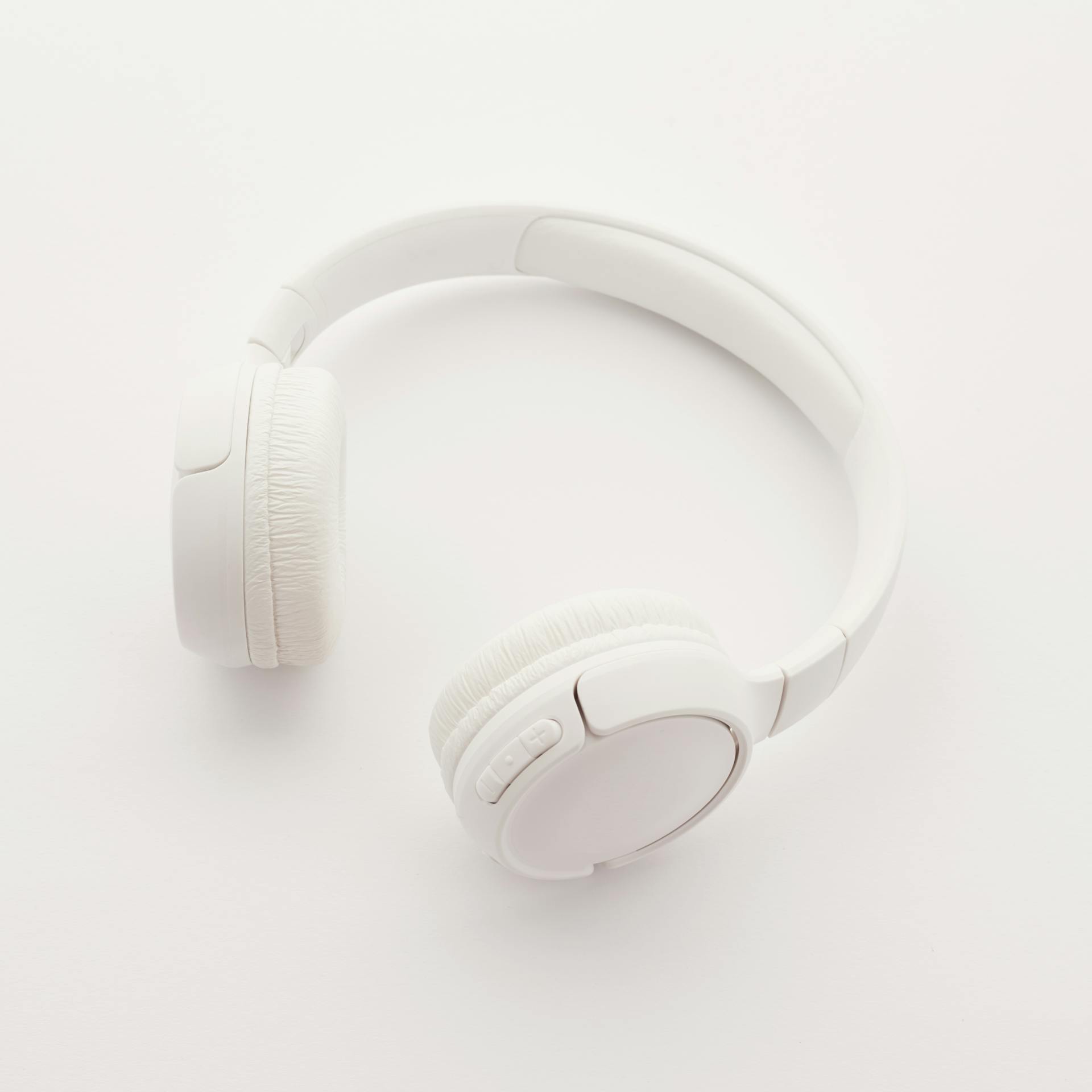
High-quality sound matters more when audio is your primary entertainment medium. Premium headphones with excellent noise cancellation and superior sound quality transform listening experiences. Brands like Bose, Sony, and Sennheiser offer options at various price points.
Look for headphones with tactile controls rather than touch-sensitive surfaces. Physical buttons are easier to locate and operate without visual feedback. Some models include voice prompts that announce which mode you're in or which device you're connected to.
Bone conduction headphones deserve special consideration. These leave ears open to hear environmental sounds while still delivering audio content. This is especially valuable for blind individuals who rely on environmental audio cues for navigation and safety.
Audiobook subscriptions and collections
Audiobooks are obvious but genuinely wonderful gifts. Audible subscriptions provide access to vast libraries. For something more special, gift specific titles you think the person would love. Include a note explaining why you chose each one.
Curated audiobook collections work well for specific interests. Love mysteries? Gift the complete Sherlock Holmes collection. Into self-improvement? Select the best business and personal development titles. The curation shows thought beyond just "they can't see, so audiobooks."
Some publishers offer special editions with enhanced audio - full cast performances, sound effects, and musical scores that elevate the experience beyond simple narration. These premium productions make especially memorable gifts.
Smart speakers and voice assistants
Amazon Echo, Google Home, and Apple HomePod aren't specialty disability devices. They're mainstream technology that happens to be perfectly suited for voice-first interaction. Smart speakers let anyone control music, set timers, check weather, manage shopping lists, and control smart home devices entirely through voice.
The independence these devices provide is profound. Someone can adjust home temperature, turn on lights, lock doors, and manage their environment without needing to locate physical controls. That's not a workaround for disability. That's empowering technology.
Look for speakers with excellent audio quality so they serve double duty for music and audiobooks. The Echo Studio and HomePod offer room-filling sound that makes music listening genuinely impressive.
Podcast recommendations and subscriptions
Podcasts span every imaginable interest. Rather than just suggesting someone "try podcasts," create a curated list based on their interests. Love true crime? Recommend specific shows with great storytelling. Into comedy? Suggest podcasts that match their humor style.
Some podcast networks offer premium subscriptions with ad-free content and bonus episodes. Gifting a year of premium access to a network covering topics they love shows thoughtfulness beyond the generic.
Podcast discovery apps with good accessibility features help people find new shows independently. Apps like Overcast and Castro include excellent VoiceOver support for iOS users. Gift ideas for nerds often overlap with great podcast content about technology, science, and pop culture.
Technology gifts that enhance independence
Assistive technology isn't charity. It's practical empowerment that helps people do what they want to do, how they want to do it.
Screen readers and accessibility software
Most modern devices include built-in screen readers - VoiceOver on Apple devices, TalkBack on Android, NVDA on Windows. These read screen content aloud and enable full device control through voice and keyboard. But premium screen reading software offers advanced features worth considering.
JAWS (Job Access With Speech) is industry-leading software for Windows users who need professional-level functionality. It's expensive but transformative for work and complex computing tasks. If someone you know works on a computer, this could significantly boost their productivity.
Magnification software helps people with low vision (rather than total blindness) by enlarging screen content while maintaining clarity. ZoomText combines magnification with screen reading, serving users with varying vision levels.
Braille displays and note-takers
Refreshable braille displays connect to computers and phones, converting on-screen text to tactile braille. These devices aren't impulse purchases - they're significant investments. But for serious braille users, they're transformative tools for reading, writing, and productivity.
Electronic braille note-takers combine braille input and output with basic computing functions. Users can take notes in meetings, manage appointments, and work with documents entirely in braille. The Orbit Reader and BrailleNote Touch are popular options at different price points.
These gifts say "I support your professional and personal goals" in concrete terms. They're practical without being condescending.
Smartphone accessories for accessibility
Phones are already incredibly accessible with built-in screen readers and voice control. But accessories can enhance the experience. Phone cases with tactile markers help users locate buttons and orient the device correctly.
Magnetic charging cables eliminate the challenge of precisely aligning charging ports. They snap into place automatically, removing a daily frustration. Several brands offer versions with audible connection confirmations.
Portable battery packs with voice prompts announce remaining charge levels. This prevents the common scenario of grabbing a "charged" backup battery that's actually dead.
Voice-controlled smart home devices
Smart plugs, lights, and thermostats transform homes into voice-controlled environments. Someone can say "turn on the kitchen light" instead of navigating to a switch. Small conveniences add up to major quality-of-life improvements.
Smart locks with voice control enhance both convenience and security. Some models can announce who's at the door using video doorbell integration. These aren't "accessibility products." They're mainstream technology that happens to be perfectly suited for non-visual interaction.
Robot vacuums with voice control and app accessibility let someone maintain a clean home independently. Gift ideas for office staff increasingly include smart home technology because it benefits everyone, regardless of visual ability.
Culinary gifts for food lovers
Cooking, baking, and enjoying food engage taste, smell, and touch. Culinary gifts work beautifully because they focus on senses beyond sight.
Talking kitchen scales and measuring tools
Precise measurement is crucial in cooking and baking. Talking kitchen scales announce weights audibly, making recipes accessible without assistance. Look for scales that measure in multiple units and have large, clear number announcements.
Measuring cups and spoons with braille or tactile markings let someone grab the right size independently. Some sets use different shapes for different measurements - a square 1/4 cup, round 1/2 cup, and so on. Touch becomes a quick reference system.
Liquid level indicators use small devices that hang on cup rims and beep when liquid reaches the right level. No more overflowing coffee cups or underfilled measuring cups.

Specialty ingredients and subscription boxes
High-quality ingredients create exceptional experiences. Artisanal chocolate, specialty coffee beans, unique spices, and gourmet oils deliver intense sensory pleasure through taste and smell.
Monthly subscription boxes curate specialty foods around themes - hot sauces, international snacks, cheese selections, craft coffee. Each delivery brings new sensory experiences. The surprise element adds excitement, and the curation removes the challenge of selecting items in stores.
Spice sets with braille labels or tactile organization systems let someone build a well-stocked kitchen. Some companies offer spice rack solutions specifically designed for accessibility, with consistent organization and clear labeling.
Cooking classes and experiences
Many cooking schools now offer classes designed for blind participants or with accessibility accommodations. These experiences build skills while providing social connection and fun.
Virtual cooking classes have exploded in availability. Look for instructors who provide clear verbal descriptions and are comfortable adapting for non-visual learners. Some platforms specialize in accessible cooking instruction.
Recipe collections on audio format or in braille make great supplements to cooking classes. Curate a collection around someone's favorite cuisine or dietary interests. Gift ideas for artists can overlap here - cooking is an art form that engages all senses beyond sight.
Adaptive kitchen gadgets
Dozens of kitchen tools make cooking easier and safer without visual reference. Talking thermometers announce food temperatures audibly. Color-contrast cutting boards make food more visible for those with low vision and provide clear work surfaces.
Knife guides ensure consistent, safe cutting. Jar openers and can openers with good tactile feedback make kitchen tasks less frustrating. These aren't "disabled person tools." They're well-designed implements that anyone would appreciate.
Timer cubes with different time settings on each face let someone set common cooking times by feel. Flip the cube to 10, 15, or 20 minutes without needing to see or hear settings.
Experiential and activity-based gifts
Experiences create memories. Many activities are perfectly accessible or easily adapted for blind participants.
Concert and theater tickets
Live music is a universal language. Concert tickets to favorite artists or genres provide incredible experiences. Orchestra performances, rock concerts, jazz clubs, and folk festivals all work beautifully.
Many theaters now offer audio description services for plays and musicals. A trained describer provides verbal narration of visual elements during natural pauses in dialogue. This makes theatrical experiences fully accessible. Check venues for audio description schedules.
Opera and classical music performances are particularly rich auditory experiences. The combination of music, vocals, and often dramatic storytelling creates engaging experiences independent of visual staging.
Massage and spa experiences
Touch-based treatments provide pure sensory indulgence. Professional massages, facials, manicures, and other spa services feel wonderful regardless of visual ability. The aromatherapy often included adds another sensory dimension.
Look for spas with quiet, relaxing environments and staff trained in client communication. Some spas specifically advertise accessibility and comfort for clients with visual impairments.
Floating tanks (sensory deprivation tanks) create unique experiences by removing most sensory input. Floating in body-temperature salt water in darkness and silence produces profound relaxation. This isn't specific to blind individuals, but it's an experience that puts everyone on equal sensory footing.

Exercise and fitness classes
Adaptive fitness programs serve people with various disabilities, including visual impairments. Many gyms and studios offer personal training with instructors experienced in accessibility.
Yoga classes with detailed verbal cuing work well for blind participants. The focus on internal body awareness rather than visual demonstration makes yoga naturally accessible. Some studios specifically market classes with excellent verbal instruction.
Running guides and tandem cycling let blind individuals participate in outdoor athletics. Organizations like Achilles International connect blind athletes with sighted guides for running events. Gifting a membership or registration fee supports active lifestyles.
Gift ideas for runners can easily adapt to blind runners when you focus on sensory features - moisture-wicking fabrics, good grip on shoes, audio coaching apps.
Travel experiences with accessibility features
Travel opens worlds. Many destinations and tour companies now specialize in accessible tourism. Guided tours with excellent verbal description, tactile museum experiences, and destinations focused on sensory experiences beyond sight all work beautifully.
Cruise vacations can be particularly accessible because the ship environment becomes familiar, staff can provide orientation and assistance, and many activities are naturally accessible (live music, dining experiences, spa services).
Wildlife experiences that emphasize sound and sometimes touch create memorable trips. Whale watching trips focus on listening for whales and feeling the boat respond to their movements. Bird sanctuaries come alive through calls and songs.
Personal care and wellness gifts
Self-care isn't superficial. It's about feeling good and maintaining well-being through all available senses.
Aromatherapy and scented products
Scent powerfully affects mood and memory. High-quality essential oils, scented candles, and aromatherapy diffusers create pleasant home environments. Look for complex, sophisticated scents rather than cheap artificial fragrances.
Natural perfumes and colognes let someone express personal style through scent. Curate a selection based on preferences - woody and earthy, floral and light, spicy and warm. Include samples so they can experience each before committing.
Scented bath products turn routine hygiene into relaxing rituals. Bath bombs, luxury soaps, body oils, and shower gels with beautiful natural fragrances make daily self-care more indulgent. Mother of the bride gift ideas often include spa-quality bath products because they're universally appreciated.
Skincare products with distinctive textures
Luxury skincare engages touch and smell. Rich creams, lightweight serums, cooling gels, and warming masks all provide distinct tactile experiences. The ritual of skincare can be meditative and pleasurable.
Look for products with clear labeling. Some companies offer braille labels or provide label overlays. Organizing products by texture and scent creates an intuitive system - thick cream for night, light lotion for day.
Face massage tools like jade rollers and gua sha stones add tactile elements to skincare routines. The cool stone against skin feels wonderful and provides therapeutic benefits.
Fitness equipment and yoga accessories
Home fitness equipment makes exercise convenient. Resistance bands, dumbbells, kettlebells, and yoga mats with good grip and tactile features support independent workouts.
Yoga mats with alignment markers or tactile guides help with positioning. Some mats include raised lines or texture changes that indicate center and edges. These features help anyone, not just blind practitioners.
Audio fitness apps and programs provide full workout guidance through voice instruction. Apps like Peloton, Nike Training Club, and Apple Fitness+ offer classes you can follow entirely by ear.
Weighted items for comfort
Beyond weighted blankets, there are weighted eye masks, lap pads, and stuffed animals. The deep pressure these items provide is naturally calming. No visual component is necessary for the comfort they offer.
Weighted eye masks are particularly useful for sleep. They block out light (helpful for those with some light perception) while providing gentle pressure that many find relaxing.
Games and entertainment that work without sight
Entertainment shouldn't require assistance. Many games and activities are either inherently accessible or available in adapted versions.
Audio-based board games and card games
Several games work entirely through audio. "Blind Quest" is an audio adventure game where players navigate challenges through sound. "Nyctophobia" is a board game where all players are blindfolded, creating equal footing.
Traditional card games work with braille playing cards. Poker, bridge, rummy, and countless other card games become fully accessible. High-quality braille card decks feel good in hand and hold up to repeated use.
Dice with braille dots or tactile markings enable accessible dice games. Yahtzee, Farkle, and other dice games work perfectly with adapted equipment.
Accessible video games and gaming systems
The gaming industry is increasingly focused on accessibility. Many mainstream games now include audio-only modes or comprehensive audio description. "The Last of Us Part II" won awards for its accessibility features, including navigation and combat entirely through audio.
Audio-only games designed specifically for blind players include titles like "A Blind Legend" (an audio adventure game), "AudioWizards" (an audio role-playing game), and "Frequency Missing" (a rhythm game using 3D audio).
Gaming consoles with good accessibility features make this hobby accessible. Xbox Adaptive Controller works with various input devices, and both PlayStation and Xbox include robust screen reader support.
Puzzle boxes and mechanical puzzles
Physical puzzles that rely on manipulation rather than vision provide satisfying challenges. Puzzle boxes with hidden mechanisms, sequential discovery puzzles, and mechanical brain teasers engage problem-solving skills through touch.
These puzzles often frustrate sighted people because we over-rely on visual information. Blind individuals can excel at puzzles requiring careful tactile exploration and spatial reasoning.
Wire puzzles, disentanglement puzzles, and sequential discovery boxes all work beautifully. They're challenging, fun, and entirely accessible. Gift ideas for engineers frequently include mechanical puzzles because they appeal to problem-solvers regardless of visual ability.
Audiobooks and radio drama collections
We mentioned audiobooks earlier, but it's worth highlighting radio dramas as a distinct format. Classic radio shows like "The Shadow," "Inner Sanctum," and "X Minus One" used sound effects, music, and voice acting to create complete stories.
Modern audio dramas continue this tradition. BBC Radio produces high-quality dramatizations of novels and original stories. Podcast networks like Audible Originals invest heavily in full-cast audio productions.
Gifting curated collections of radio drama shows respect for storytelling through audio while providing hours of entertainment. These aren't dumbed-down versions of visual media. They're sophisticated art forms in their own right.
Gifts that support hobbies and interests
Blind individuals have hobbies. Gifts should support those interests, adapted as necessary but never diminished.
Musical instruments and lessons
Music is inherently accessible. Instruments require no visual component - everything is auditory and tactile. Guitar, piano, drums, harmonica, and countless other instruments can be learned and mastered without sight.
Private music lessons from instructors experienced with blind students make excellent gifts. Many teachers have training in accessible music education and use techniques that don't rely on visual demonstration.
Music theory software with good screen reader support helps students learn composition and theory independently. Apps like Musition and Auralia include accessibility features for blind learners.
Crafting supplies for tactile arts
Many craft forms work beautifully without sight. Knitting, crochet, pottery, weaving, and basketry are all fundamentally tactile. You feel your progress and create through touch.
High-quality crafting supplies make the process more enjoyable. Luxury yarn with beautiful texture feels wonderful to work with. Quality clay provides satisfying tactile feedback. Weaving looms with good tactile markers and organization support independent work.
Craft classes designed for or accommodating to blind participants provide skill-building and social connection. Many community centers and craft studios offer accessible programming.
Gardening tools and supplies
Gardening engages touch, smell, and sound. The feel of soil, the scent of herbs and flowers, the sound of rustling leaves - all create rich sensory experiences. Raised garden beds make planting and harvesting easier without bending or precise depth perception.
Gardening gloves with good grip and durability protect hands during tactile exploration. Tools with distinct shapes and tactile grips are easier to identify and use.
Herb gardens work particularly well because herbs provide strong scents for identification and navigation. Gifting an organized herb garden with labeled plants and care instructions supports a rewarding hobby. Outdoor gift ideas can easily include accessible gardening supplies when you focus on tactile and aromatic elements.
Sports equipment for goalball and other adaptive sports
Goalball is a sport specifically designed for blind athletes. Players throw a ball with bells inside toward opponents' goals, using sound to track the ball. The sport is competitive, strategic, and exciting.
Equipment for goalball or other adaptive sports like blind cricket or beep baseball supports athletic interests. Check if local recreational programs offer these sports and gift equipment plus registration fees.
Tandem bicycles enable cycling with sighted pilots. The blind person rides stoker (rear position) while a sighted person steers. This allows participation in cycling culture and outdoor adventure.
Personalized and meaningful keepsakes
Personal gifts show you're thinking about the individual, not just checking a box labeled "blind person gift."
Custom tactile portraits from Fable
We mentioned Fable's custom portraits earlier, but it's worth exploring how these become profound gifts. Traditional portraits are visual experiences. But Fable can create versions with raised elements, embossed details, and textured layers that tell stories through touch.
Imagine a grandparent receiving a portrait of their grandchildren where they can trace each face, feel hair texture represented through raised lines, and explore the composition through touch. That's not a workaround for inability to see. It's a complete sensory experience in its own right.
Family portraits become family history you can hold and explore. Couple portraits capture relationship milestones in ways that transcend visual representation alone. The act of running fingers across textured surfaces, discovering details through exploration, creates intimate connection with the image.
Include braille descriptions alongside tactile elements. Describe who's in the image, what the setting is, what emotions the portrait captures. The combination of tactile exploration and written context creates complete understanding.
Recorded family messages and memory books
Create audio collections of family members sharing memories, expressing love, or just chatting. These become treasured keepsakes that can be revisited anytime. A grandparent talking about their childhood, siblings sharing inside jokes, or children reading letters they wrote all become permanent audio treasures.
Voice recording devices designed for easy use make capturing and playing back these memories simple. Some are as straightforward as "push button to record, push again to play."
Memory books in braille or with audio components tell life stories in accessible formats. Combine written braille text with audio recordings, tactile photographs, and memorabilia with distinct textures. These become comprehensive life narratives.
Jewelry with braille or tactile elements
Braille jewelry lets someone wear meaningful words or initials. Bracelets, necklaces, and rings with braille inscriptions are both beautiful and readable through touch. You could inscribe a meaningful date, a loved one's initials, or an inspiring word.
Textured jewelry provides visual appeal for others and tactile interest for the wearer. Look for pieces with varied surfaces - smooth gems beside rough settings, polished metal contrasting with oxidized details.
Some jewelers specialize in accessibility-focused design, creating pieces specifically meant to be experienced through touch. These aren't compromised aesthetics. They're thoughtful design serving all senses.
Custom audio recordings and songs
Commission a musician to write a song for your gift recipient. Or compile a curated playlist with personal meaning, adding voice recordings between songs explaining why you chose each one. The playlist becomes a guided audio experience tailored specifically to that person.
Voice actors or narrators can record personalized stories, letters, or audiobooks. Imagine commissioning a professional narrator to read a letter you wrote, giving your words theatrical delivery and emotional depth.
Some services will record and produce audio biographies, interviewing the person or their family members and editing the result into a polished audio documentary of their life.
Practical daily living aids that enhance independence
Independence isn't achieved through one solution. It's built through dozens of small adaptations that remove friction from daily activities.
Organization systems with tactile markers
Pill organizers with braille or tactile markings prevent medication errors. Systems that use different textures, shapes, or sizes for different times of day create intuitive organization.
Clothing organization systems help coordinate outfits independently. Braille tags indicate colors. Shape-coded hangers signify garment types. Some people use safety pins in specific patterns to denote colors. Supporting someone's existing system with quality materials shows respect for their methods.
Labeling tools that create braille, large print, or tactile labels help organize everything from kitchen items to bathroom supplies. Braillo Braille embossers and tactile label makers range from simple manual tools to electronic devices.
Talking devices for household items
Talking watches and clocks announce time audibly. No squinting at tiny hands or depending on others. Some watches include features like timers, alarms, and date announcements - all voice-activated or tactile-controlled.
Talking thermometers for both indoor climate and outdoor weather help with daily planning. Is it warm enough for a light jacket? Check the talking thermometer independently.
Money readers identify bills through various detection methods - some use size, others use magnetic properties, some use bills' unique characteristics. These small devices prevent the awkwardness of needing to ask strangers to identify currency.
Color identifiers speak color names when pointed at objects. While less critical than money identification, these tools help with tasks like sorting laundry or selecting clothing.
Mobility aids and accessories
White canes are practical necessities for many blind individuals. High-quality canes with good grip, appropriate length, and durable tips make daily navigation safer and more comfortable. Folding canes store conveniently when not needed.
Cane accessories like glow-in-the-dark tape, reflective bands, and custom grips personalize mobility aids while improving visibility to others.
Guide dog-related gifts work if someone has a guide dog. High-quality harnesses, treat pouches, grooming supplies, and toys benefit both dog and handler. Just don't gift guide dog-related items to someone who doesn't have one - it's like gifting golf clubs to someone who doesn't golf.
GPS devices designed for blind travelers provide audible navigation. Some are purpose-built for accessibility while others are mainstream GPS units with excellent screen reader support.
Kitchen and bathroom safety tools
Liquid level indicators we mentioned earlier prevent spills and burns. They're genuinely useful daily tools, not gimmicks.
Temperature-sensitive bath mats change color or texture with water temperature, preventing accidental scalding. Simple but effective safety tools.
Oven rack guards prevent accidental arm contact with hot racks when reaching into ovens. Stove knob markers with tactile indicators show burner positions clearly.
These practical items might not seem exciting, but they're the difference between independence and constant assistance in daily life. Gift ideas for seniors often include safety and independence tools because the value is universal regardless of whether vision loss is age-related or lifelong.
Subscription services that keep on giving
Monthly subscriptions extend joy beyond a single moment. Each delivery brings fresh excitement and new experiences.
Audiobook and audio content subscriptions
Audible memberships provide monthly credits for audiobook purchases. Scribd subscriptions offer unlimited audiobooks and ebooks (with text-to-speech). Libro.fm supports independent bookstores while providing audiobook access.
Podcast premium subscriptions remove ads and add bonus content. If someone loves specific podcasts, gifting premium access to their favorite networks shows attentive thoughtfulness.
Specialty food and beverage subscriptions
Monthly coffee deliveries bring new roasts and origins to explore through taste and smell. Tea subscriptions do the same with varied blends and preparations. Chocolate subscriptions showcase craft makers and unique flavor profiles.
Hot sauce subscriptions, international snack boxes, and gourmet ingredient deliveries all provide sensory exploration and culinary adventure. These gifts work for food enthusiasts regardless of visual ability.
Tactile book clubs and braille publications
Organizations like National Library Service for the Blind and Print Disabled offer free braille book programs, but subscription services provide curated selections and specialty content.
Braille magazines covering specific interests - technology, cooking, current events, hobbies - arrive monthly. These aren't charity publications. They're quality content in accessible formats.
Some book clubs specifically cater to blind readers, selecting books available in multiple formats (braille, large print, audio) and facilitating discussions through accessible platforms.
Music streaming and premium audio services
Spotify, Apple Music, and Tidal premium subscriptions provide unlimited music access. Tidal's HiFi tier offers superior audio quality that audiophiles appreciate regardless of visual ability.
Premium podcast platforms like Luminary offer exclusive content not available elsewhere. If someone has interests aligned with specific podcast networks, premium subscriptions unlock substantial additional content.
Concert live-stream services and classical music platforms provide access to performances worldwide. Medici.tv specializes in classical music and opera. Streaming jazz clubs and concert venues bring live music experiences home.
Considerations when choosing gifts
Thoughtful gifting requires moving beyond assumptions to genuine consideration of the individual.
Ask about preferences and needs
The best approach is often direct. Ask what would be useful or enjoyable. This isn't admitting defeat or lacking creativity. It's respecting someone's autonomy and lived experience.
Some people love technology. Others prefer low-tech solutions. Some embrace adaptive equipment. Others prefer mainstream items that happen to work well through non-visual interaction. Your recipient knows their preferences better than anyone.
If asking directly feels awkward, consult with family members or friends who know the person well. They can provide insight into current interests, unmet needs, and gift preferences.
Consider skill level and experience
Newly blind individuals have different needs than lifelong blind people. Someone still learning mobility and adaptation might appreciate practical tools and training resources. Someone who's been blind for decades might want hobby supplies and entertainment - the basic daily living aspects are already solved.
Don't gift beginner materials to an expert. A professional musician who happens to be blind doesn't need "introduction to music" resources. They need the same quality supplies and advanced materials any musician would want.
Avoid patronizing or pitying approaches
Gifts shouldn't send the message "I feel sorry for you." Choose things you'd want yourself if you couldn't see them. Beautiful items, quality goods, experiences that sound genuinely fun.
Avoid gifts that center the blindness rather than the person. A talking clock is practical if someone needs one. It's condescending if they already have reliable time-telling methods and you just assumed they'd need it because they're blind.
The gift should reflect your actual relationship and their actual interests. Gift ideas for photographers are chosen based on the recipient being a photographer, not on any other characteristic. Apply the same principle here - the blindness is context, not the entire identity.
Balance independence with practical assistance
Some gifts enable independent action - accessible technology, organizational systems, tools for specific tasks. These are empowering when they remove genuine barriers.
Other gifts acknowledge that everyone needs help sometimes - gift cards for meal delivery services, house cleaning services, or assistance with tasks that are genuinely difficult without sight. These are practical without being patronizing when offered the way you'd offer them to anyone living a busy life.
The key is whether the gift respects agency. "Here's a tool so you can do this yourself" differs from "Here's someone to do this for you because you can't." Context and relationship matter in determining which approach fits.
How to present gifts thoughtfully
The presentation matters as much as the gift itself when sight isn't part of the experience.
Describe the gift fully
Don't just hand someone a wrapped box and say "open it." Before or during unwrapping, describe what you're giving them. Explain what it looks like, what it's made of, how it works, and why you chose it.
For tactile items, guide their hands to explore notable features. "Feel this corner - there's an embossed pattern. And this side has a completely different texture." Help them build a complete mental picture through description and touch.
For audio or experiential gifts, create excitement through your description. "I got us tickets to see [artist] in June. The venue is small, really intimate, and I've heard the acoustics are incredible."
Include clear usage instructions
Provide instructions in accessible formats. If the gift includes a manual, offer to read it together or provide an audio recording. For tech gifts, consider including setup assistance as part of the gift.
Some companies provide braille instructions or large print versions upon request. Check before wrapping whether accessible documentation is available.
Walk through setup and initial use if appropriate. "Let me show you how this works" isn't condescending when it's genuinely helpful and offered respectfully.
Consider accessible packaging
Traditional gift wrap can be frustrating to navigate when you can't see where tape is or how the paper folds. Consider alternatives like gift bags (easier to access), fabric wraps (reusable and tactilely interesting), or boxes with simple closures.
Add tactile gift tags with braille or raised elements. These small touches show thoughtfulness in every detail of the giving experience.
Make the giving moment special
Focus on connection rather than visual surprise. Build anticipation through conversation. Share why you chose this particular gift. Make the emotional exchange central rather than the visual reveal.
If others are present, ensure someone describes any visual reactions or contextual details the blind person might miss. "Everyone just gasped - this is incredible" provides social context that might otherwise be lost.
Frequently asked questions
What gifts should I avoid giving to blind people?
Avoid gifts that require vision with no alternative access method - visual-only board games, picture books without tactile or audio components, decorative items that are purely visual. Also skip "inspiration porn" items that frame blindness as something to overcome through superhuman effort rather than adapting to practically. Finally, don't gift items that assume helplessness or inability, like children's toys for adults or overly simplistic versions of things they can handle at normal complexity levels.
Are expensive gifts necessary to be meaningful?
Not at all. Thoughtfulness matters far more than price. A carefully curated playlist with voice notes explaining why you chose each song costs nothing but means everything. A homemade meal featuring flavors and textures you know they love shows genuine care. Quality matters more than quantity or expense. Friendship homemade gift ideas often create more emotional impact than expensive purchases because they're personalized and made with care.
Can I give visual art to someone who's blind?
Yes, with adaptation. Fable's custom portraits demonstrate how visual art can translate to tactile experiences through embossing, raised elements, and textured layers. Include detailed descriptions in braille or audio format. Describe composition, colors, emotional tone, and artistic technique. The recipient builds mental images through your words and tactile exploration. Art isn't exclusively visual. It's creative expression experienced through whatever senses are available.
How do I know if someone reads braille?
Many blind people don't read braille. It's a specific skill that's wonderful but not universal. If you're unsure, ask casually or check with close family members. Don't assume either way. Some people prefer audio content, others large print, others braille, and many use different formats for different purposes. There's no single "blind person format." It varies individually.
Should I involve them in choosing their gift?
For practical items, absolutely. Ask what would be genuinely useful. For surprise gifts meant to be delightful, maintain the surprise but do background research. Talk to people who know them well. Pay attention to things they mention needing or wanting. The surprise can be the specific item while the category is known. "I know you love mysteries - I found something special" maintains excitement while ensuring relevance.
What about gift cards or money?
These are practical and appreciated just like for anyone else. Don't default to gift cards out of fear of choosing wrong, but don't avoid them either. For stores or services they definitely use, gift cards offer flexibility. Amazon gift cards, restaurant gift cards for places with accessible ordering, or experience-based cards (massage, concerts, classes) all work well. Money is always useful and never inappropriate when given with genuine affection rather than cop-out energy.
Related guides
- Gift ideas for seniors
- Gift ideas for photographers
- Gift ideas for artists
- Outdoor gift ideas
- How it works at Fable
Sources
- American Foundation for the Blind (afb.org)
- National Federation of the Blind (nfb.org)
- Perkins School for the Blind (perkins.org)
The best gifts aren't about sight. They're about senses, experiences, independence, and joy. They're about knowing someone deeply enough to understand what will genuinely enhance their life. Whether it's a tactile portrait from Fable that lets them explore family faces through touch, high-quality headphones that transform audio experiences, or simply ingredients for their favorite meal, the perfect gift reflects the whole person - not just one aspect of their experience. Choose with your heart. Listen with your attention. Give with respect. That's how you create moments that matter.